Asus updates the Xbox Ally handheld with an OLED display and redesigned controls in the X20.
The X20 brings a brighter, more color-accurate screen and improved thumbsticks, but carries a steep price tag.
In practice, the OLED upgrade shines on darker, contrast-rich games while keeping the familiar form factor.
For travelers and casual Xbox and PC gamers, the X20 is compelling but not for everyone due to cost.
Quick read · 1 min
The Asus ROG Xbox Ally X20 finally brings an OLED screen to the Xbox-branded handheld, offering deeper blacks and brighter colors along with refreshed controls. It keeps the familiar design but adds full-size magnetic-thumbstick tech and Hall Effect triggers for a smoother, longer-lasting feel.
For travelers and gamers who want a premium portable option, the X20’s screen upgrade is a real plus. The price in Canada is around $1,899 CAD at launch, and there’s no confirmed US price yet.
Bottom line: OLED makes a tangible difference in visuals and comfort, but the higher cost means it’s a more niche upgrade. If you’re after the best portable Xbox/Steam play right now and can swing the price, the X20 is worth a look.
When Asus announced the ROG Xbox Ally X20, the headline wasn’t just a fresh coat of paint. It’s a premium handheld that finally swaps the old LCD for a 7.4-inch Full HD OLED panel, and it does so while keeping most of the Ally family’s familiar design. The result is a handheld that looks striking in person and performs especially well in darker, high-contrast games.
The big change is the screen. The X20 uses an OLED panel with the same 7.4-inch size and a 120Hz refresh rate, but with deeper blacks and more vivid color. In bright daylight, the panel still holds up, thanks to the higher brightness modes and a coating that cuts glare. If you’ve played the older Ally, you’ll notice the contrast difference right away in scene-shadows and night sections, where dark areas feel more defined and punchy.
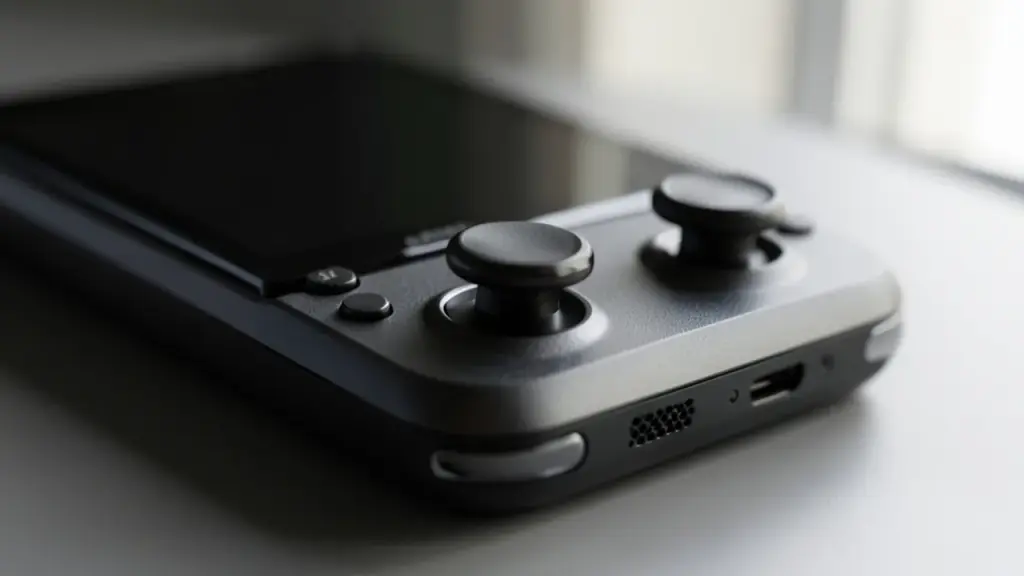
Asus didn’t just stop at the screen. The X20 also brings redesigned controls, including full-size TMR thumbsticks that aim to reduce wear and drift with magnetic sensing. The trigger buttons and face buttons have been refreshed, and you’ll notice the chassis keeps the distinctive Xbox-inspired grips, now with a more premium feel thanks to the glass-like transparency that shows off internals and gold accents around key controls.
Internally, Asus sticks with the same core hardware that powered last year’s model. The upgrade is all about the display, optics, and a few ergonomic tweaks. The result is a handheld that feels more luxurious to hold and easier on the eyes during long sessions. If you’re upgrading from an older Ally, you’ll likely appreciate the screen and the refined thumbsticks; if you’re new to the line, the X20 is a strong first impression of what an Xbox-branded handheld can be when it’s done right.
Price matters, though. In Canada, the ROG Xbox Ally X20 is listed around $1,899 CAD at launch. There’s no US price confirmed in the materials I’ve seen, and it’s not unusual for Asus to price the X20 well above the original Ally’s level given the OLED upgrade and refinements. For many buyers, that’s a big consideration, especially when the device sits between premium handhelds and more capable portable PCs.
What does this mean for everyday play? If you travel or commute a lot and want a portable way to tap into an Xbox library or Steam titles, the X20 is now much more enticing. The OLED panel makes cinematic moments pop, and the improved thumbsticks can contribute to more accurate, longer sessions without drift creeping in. The transformable design and the way Asus hides the tech behind a premium shell also make it feel like a device you’d keep for years rather than a quick upgrade cycle.
As with any high-end handheld, you’ll want to balance the glow of the screen with your budget. If you’re happy with the current Ally or a different handheld option, the X20’s price could be hard to justify. For those who value the OLED upgrade and ergonomic refinements, it’s a compelling, if expensive, choice.
01
Which games benefit most from the OLED upgrade
The OLED panel shines in titles with strong dark tones and vivid lighting. You’ll notice deeper blacks in shadowy scenes and more nuance in HDR-enabled content. The improved color coverage and higher peak brightness modes help genres like action-adventure and darker shooters feel more immersive compared with the LCD-equipped model.
02
What’s new under the hood
Beyond the display, Asus refreshed the thumbsticks with magnetic sensing to curb drift, added Hall Effect triggers, and tweaked the face buttons and bumpers for a crisper, more responsive feel. The chassis retains the familiar Xbox-inspired grip layout, preserving the comfort fans of the Ally line have grown used to.
03
Is it worth the price?
That depends on your priorities. If a portable Xbox and PC game library matters more than the latest gadgetry, and you’re drawn to OLED warmth and better control ergonomics, the X20 justifies its premium for some buyers. If you’re budget-conscious or can live with an LCD, the original Ally or another handheld may still be a better value.
04
What happens next
Asus has shown what it can do when it goes OLED with the Ally line. If demand follows, we may see more regions get the X20 and possibly adjustments to pricing or bundles. For now, the Canadian price is the number to watch, and US availability remains unconfirmed.
The X20 adds a 7.4-inch Full HD OLED display, FreeSync Premium Pro, Dolby Vision, improved thumbsticks with Magnetic sensing, and redesigned controls.
Is it worth upgrading from the original Ally?
If you value OLED visuals and refined controls, yes for many users; otherwise, the upgrade may not justify the price.
06
What you can do now
If you’re curious about OLED handhelds, keep an eye on price changes and regional availability. Compare with the older Ally models to see if the upgrade matches your gaming habits, especially if you travel often.