Saturday, 17 October 2026

Cybercriminals hit building systems, not just data, to cause real-world damage

Attacks on building automation and OT systems show ransomware now aims to cause physical damage as well as data loss.

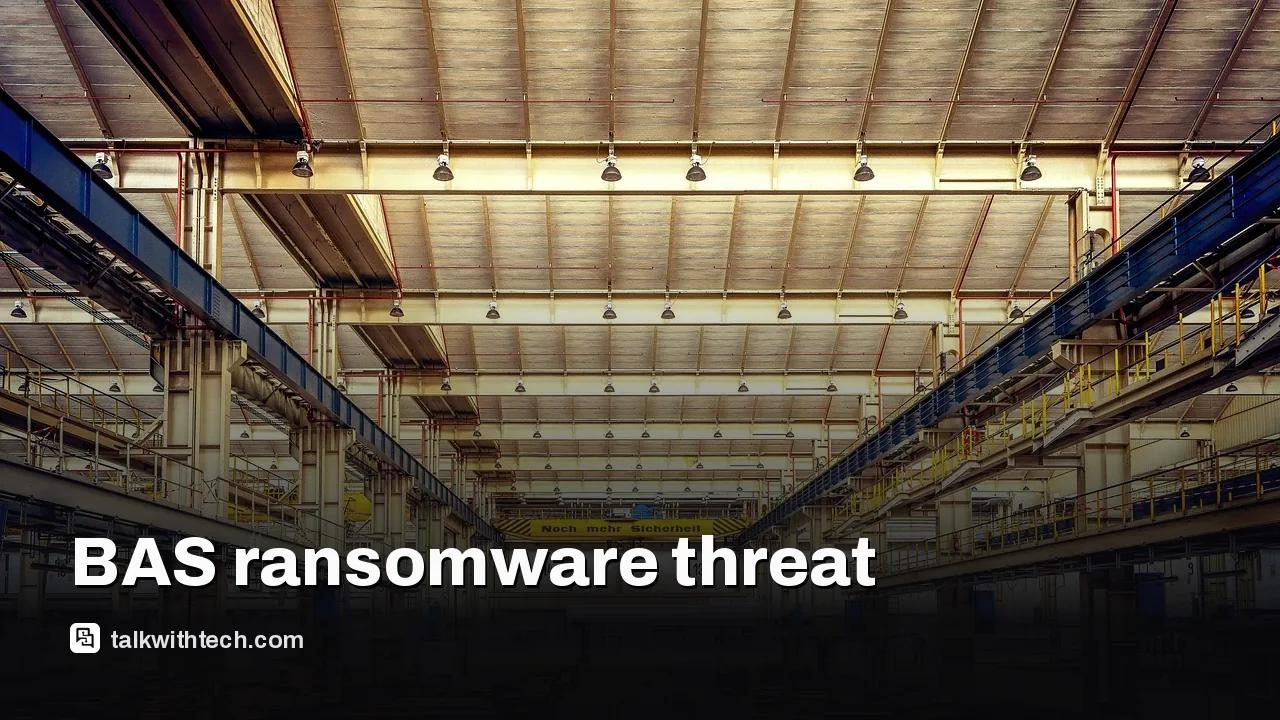
A modern facility with cooling and security systems

The short version

  • Criminals are increasingly attacking building automation systems (BAS) to cause physical disruption, not just steal data.
  • Recent incidents include thousands of hacked refrigeration controls in French groceries and a ransomware hit on a Canadian hospital's access and HVAC systems.
  • Armis Labs found 73% of organizations own BAS that have been used in ransomware attacks, and 91% have known vulnerable BAS with insecure protocols.
  • experts warn OT security lags IT, and attackers can blend into the tech landscape to cause lasting damage.
Quick read · 2 min

Ransomware is moving beyond stealing data. Criminials are now targeting building automation and other operational tech to cause real-world disruption, like spoiled food and locked doors. In France, thousands of remote refrigeration controls were hacked, affecting hundreds of grocery stores. In Canada, a hospital’s doors, central HVAC and staff access systems were hit in August. Experts say 73% of organizations own BAS that have been used in attacks, and 91% run BAS with insecure protocols.

Why it matters to you: if your workplace relies on these systems, outages can affect safety and daily operations, not just data. The bigger picture is a shift in ransomware toward physical consequences, which pressures leaders to pay bigger extortion demands.

What happens next: expect more focus on IT-OT segmentation, improved monitoring of industrial protocols, and concrete incident plans that cover both digital and physical security.

Cybercriminals are expanding their toolbox. It’s not just about stolen data anymore. Across the security world, attackers are increasingly targeting the physical heart of buildings, building automation and other operational technology systems, to cause real-world harm, outages and extortion demands. The latest waves include a mass hack of remote refrigeration controls at French grocery stores and a separate ransomware hit that disrupted a Canadian hospital’s doors, HVAC and badge systems.

That shift matters for everyday readers. If attackers can heat, cool or lock you out of a facility, the consequences ripple beyond IT: spoiled food, unsafe conditions, and business interruptions. The trend also raises the stakes for the people who manage these systems and the executives who must decide whether to pay ransoms or restore operations under pressure.

01

Which systems are under attack?

Ransomware operators are targeting building automation systems (BAS) that control HVAC, lighting, energy use, water and even security features, things that keep a building running day to day. These systems often interconnect with badge readers, door locks and surveillance, so a breach can cascade across both physical and digital spaces. Experts say BAS and broader OT (operational technology) environments have fewer security controls and must stay online, making them attractive to criminals looking for high-impact extortion.

Industrial control equipment and network cables in a data room
02

Why this matters to you

When attackers compromise BAS, the potential outcomes aren’t abstract. Food can spoil in minutes if refrigeration is hijacked. Doors can lock people out or lock them in. Hospitals and other critical sites risk delayed care or unsafe conditions. The risk isn’t just “someone stole data” but “someone disrupted your building’s life-supporting systems.”

03

What the experts are saying

Tim Beasley, a senior incident response consultant, described a case where a customer faced a multi-pronged intrusion and had to involve police breaking windows to regain access. He stressed that extortion often comes from attackers who want to maximize disruption, not just steal data. Michael Freeman, from ServiceNow’s threat research team, notes the OT side of things tends to be harder to patch and monitor because these systems must stay up, which creates a perfect backdrop for attackers to hide in while they strike IT networks later.

04

The scope and the numbers you should know

Armis Labs has tracked a worrying trend. Since 2022, ransomware claims against industrial organizations have risen steadily, and more than three-quarters of organizations report BAS in some form has been involved in an attack. A striking 91% of BAS environments are known to use insecure protocols, widening the attack surface for criminals. These insights point to a technology gap between IT security and OT security that criminals are increasingly exploiting.

05

What this means for your security posture

For readers, the takeaway is practical: if your building or workplace relies on BAS and OT networks, you’ll want stronger segmentation between IT and OT, better access controls, and ongoing monitoring of industrial protocols. This isn’t about a one-off incident; it’s about a shift in how attackers leverage physical systems to pressure organizations into paying multi-million dollar ransoms.

06

What happens next

Security teams will likely push for more visibility into BAS, better patching where feasible without interrupting uptime, and clearer incident response playbooks that cover both IT and OT domains. Ransomware groups may continue to adapt, but so can defenders who recognize that protecting physical systems is part of protecting data and people.

07

Quick answers

What exactly is being attacked?

Building automation systems and other operational technology that control HVAC, lighting, doors, and safety gear inside facilities.

Is this a new trend?

Yes. The trend links data breaches to real-world consequences, like fires or spoiled food, by targeting physical systems.

What to do now: check with building managers about security controls, request segmentation between IT and OT, and ask for updated incident response plans that include BAS.

You're reading the quick version.