Some 4K UHD releases aren’t better than the original DVDs and can look worse due to heavy digital processing.
In certain titles, the DVD or Blu-ray preserves film grain and original audio tracks that 4K versions scrub away.
Packaging and extras on older DVD releases can still be worth keeping for collectors and casual fans.
What to watch for: the presence of original mono sound, film grain, and any missing special features in the 4K re-release.
Quick read · 1 min
Some DVDs can actually beat their 4K counterparts. The reason is simple: 4K upgrades can apply heavy digital processing that strips away film grain and changes the sound mix. For viewers who care about the movie’s original texture, the DVD may feel more faithful.
So what should you do? Don’t assume 4K is automatically better. Check if the 4K release preserves grain and original audio. Compare packaging and extras as well. If you’re building a collection, the DVD’s packaging and additional features can still be appealing.
What to watch for next: look for mentions of grain preservation, original mono tracks, and whether the 4K edition offers the same extras. If you buy a title, a side-by-side comparison can save you from upgrading for the wrong reasons.
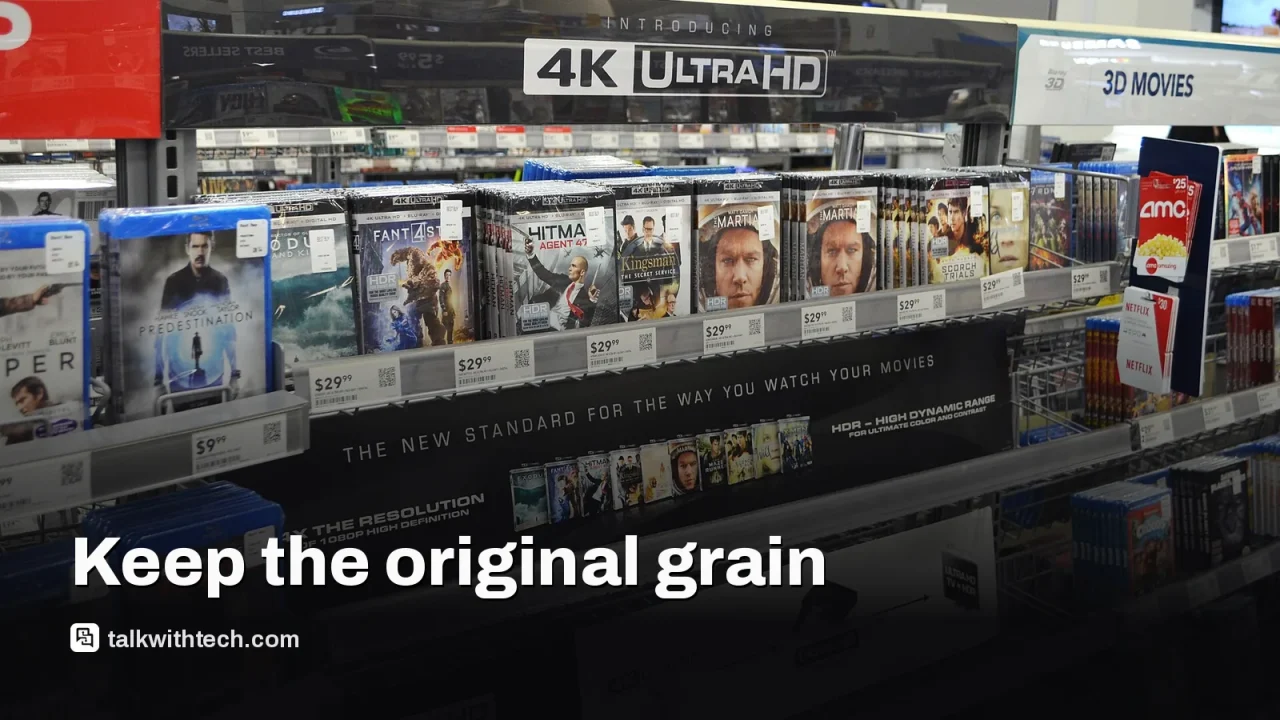
Not every upgrade to 4K is a slam dunk. A recent overview argues that some classic DVDs still hold the crown over their 4K UHD re-releases. The gist: sharper isn’t always better. In a lot of cases, the 4K version uses heavy digital processing that can erase the film’s natural grain and alter the original sound mix. For fans who care about how a movie actually looked and sounded on release day, the old DVD can feel truer to the source.
Why does this happen? 4K upgrades often come with new color maps, noise reduction, and upscale tricks intended to make the picture pop on modern TVs. Those adjustments can soften or smear details that were visible on the original film, especially in titles shot with grain that some viewers actually prefer. In contrast, a well-preserved DVD or Blu-ray copy may keep more of the film’s texture intact, even if the resolution isn’t as high.
There are notable exceptions, but the article highlights that the decision to swap often isn’t just about resolution. Packaging, extras, and the availability of original audio tracks can tilt the balance. Some 4K editions drop mono or keep only remastered sound that strips away years of recorded ambience, while older DVD releases sometimes include original theatrical audio and rare features that aren’t carried over in the 4K package.
That doesn’t mean every movie should stay in standard definition. If you’re chasing the cleanest color or the sharpest image, 4K often wins. But for movies with a distinctive grain feel or a beloved mono soundtrack, a DVD might feel more faithful to the film as audiences first experienced it. It’s worth checking the specifics of each release, not assuming 4K equals a better product in every case.
Beyond the technical quirks, there’s also nostalgia and packaging to consider. Some DVD releases come with packaging that collectors still treasure, or with booklets and extras that haven’t made it into later sets. If your goal is pure home theater quality, you’ll want to compare both versions side by side. If your setup values film grain and original sound, the DVD might still be your best bet for certain titles.
01
Which titles tend to prefer the DVD over 4K?
The discussion highlights that older films or titles with a lot of visible grain and era-specific sound designs can lose something in the 4K remastering process. Look for mentions of preserved grain, original mono tracks, or announced changes to color grading in the 4K edition. Those cues often signal that the DVD or Blu-ray copy remains preferable for true-to-film viewing.
02
What this means for you at home
If you’re deciding what to buy or keep, don’t assume the latest release is best. Consider what matters most to you: texture, sound, extras, or packaging. If you’re streaming instead of owning, the same principle applies: 4K can provide a brighter, crisper image but might remove some of the film’s original character.
03
What to watch for when you compare releases
Check for mentions of grain preservation, original mono audio, and whether the 4K edition includes all the extras you care about. If possible, read reviews that compare the same title across formats. It helps to know whether the DVD retains the theatrical sound and grain you remember.
04
What happens next
When upgrading a library, plan a quick side-by-side test with a favorite few titles. If you’re buying a new copy, look for configurations that specifically preserve grain and original audio if that matters to you. For collectors, the packaging and extras on DVD may carry extra value beyond image quality.
A DVD can preserve original film grain and audio tracks that some 4K remasters scrub away or alter with processing, making it look or sound more faithful to the original release.
Should I keep my old DVDs if I buy a 4K player?
Yes, especially if you value grain, original mono sound, or special features not carried over to the 4K edition.
Is a 4K upgrade ever not worth it?
Yes, if the 4K version removes the film’s grain or original sound, or if the extras are missing compared with the DVD or Blu-ray release you own or can buy.