Electric vehicles run on electric motors powered by batteries, replacing internal combustion engines and gasoline as the fuel source.
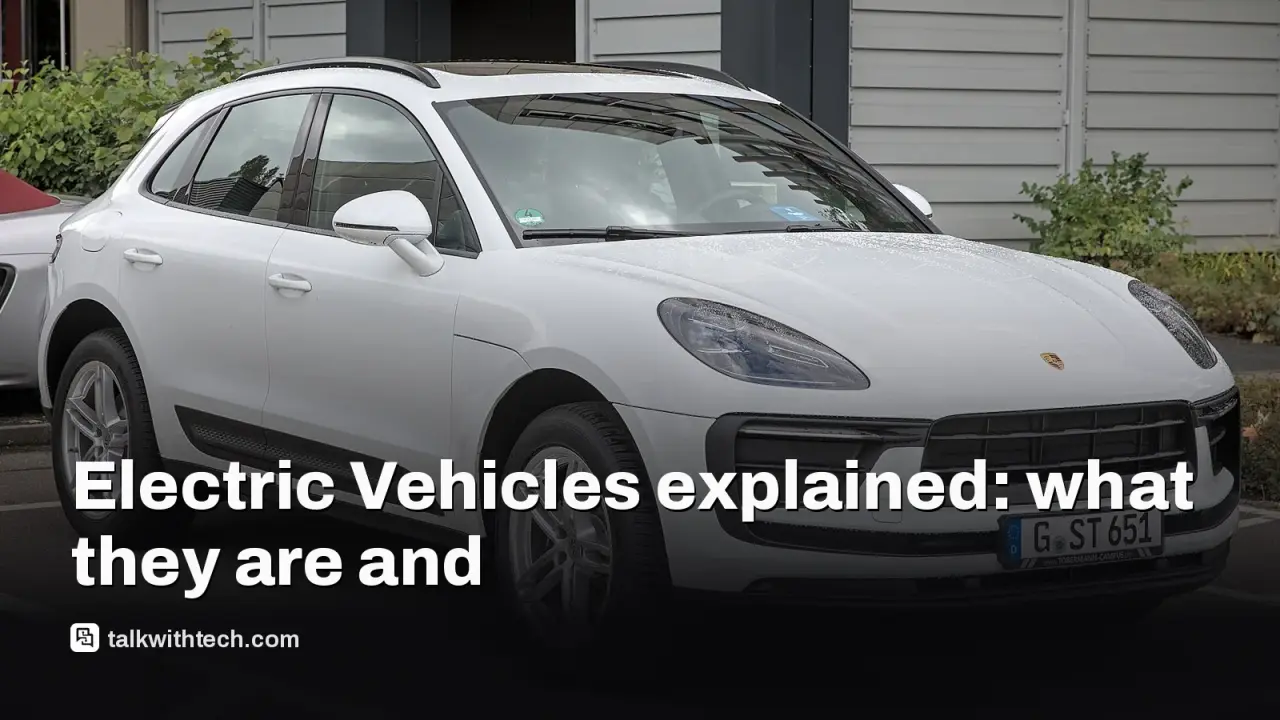
High-performance EVs like Porsche Macan Turbo EV showcase rapid acceleration and advanced software, while still serving as practical family crossovers.
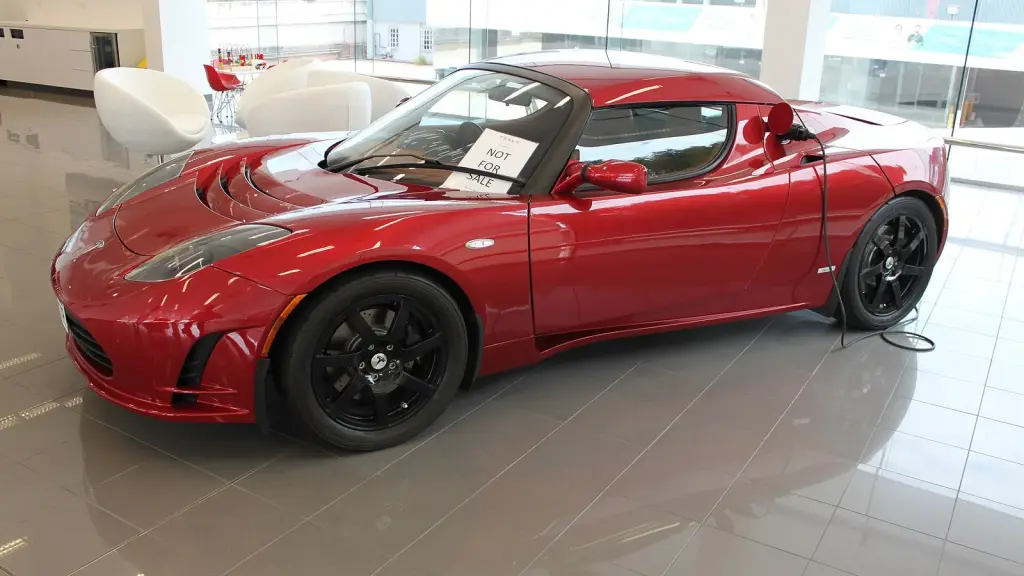
Futuristic concepts such as Tesla’s Roadster 2 demonstrate propulsion and flight tech, but production timelines, pricing, and road-legal use remain uncertain.
For most people, the big questions are about charging, cost of ownership, charging speed, and where to plug in at home or on the go.
Quick read · 2 min
Electric vehicles run on batteries and electric motors instead of a gasoline engine. They come in many shapes, from practical family crossovers to high‑performance cars. The big questions are range, how fast you can charge, and what it costs over the life of the car.
Recent examples show the spectrum: a Porsche Macan Turbo EV demonstrates speed and luxury in a familiar SUV form, while Tesla’s Roadster 2 concept teases a next‑level idea that could involve flight tech in the future. Both highlight a broader trend: better batteries, smarter software, and evolving safety rules as more carmakers push into electric propulsion.
For you, that means planning around charging now and watching how networks and pricing evolve. In time, more affordable options and broader charging coverage should make EVs more practical for daily life. Stay tuned for updates on real‑world ranges, charging speeds, and any new safety standards or incentives.
Electric vehicles, at their core, are cars that run on electricity stored in batteries instead of burning fuel. The power from those batteries feeds electric motors, which move the wheels. That simple idea has led to a wide range of vehicles, from practical family crossovers to high‑performance machines that feel like sports cars when you punch the throttle.
In practice, the everyday experience with EVs often centers on three things: how far you can go on a charge, how long charging takes, and how much the total ownership costs add up. Battery technology has improved a lot in recent years, expanding range and shortening charging times, while software helps optimize efficiency and keep you connected to your car’s systems.
Two recent examples help illustrate the spectrum. A Porsche Macan Turbo EV is a high‑performance SUV that packs 630 horsepower and a 100 kWh battery, delivering quick bursts of speed in a practical two‑row package. It starts at a six‑figure price range, and options can push the total well higher, underscoring the premium end of EVs where performance and luxury meet practicality.
On the other end of the idea‑of‑the‑car spectrum, Tesla showed a Roadster 2 concept that aims to combine road performance with propulsion that can lift off and fly briefly. The demo highlighted a future where vehicles might move through air as well as on streets, but it’s clearly in the concept and testing stage. Production timing, pricing, and real‑world approvals remain unresolved and would depend on safety and regulatory steps before any customer deliveries could happen.
So what matters for you today? If you’re shopping for a new car, EVs can offer lower running costs in many cases, instant torque for quick takeoffs, and a growing network of charging options. If you own a gas car, the shift is less about brick‑and‑mottle changes and more about planning charging around your schedule, plus considering how your home setup, work trips, and local charging availability fit your life.
What’s happening in the headlines isn’t just hype about a single car. It’s a broader push toward batteries, software, and new kinds of mobility that could alter how you buy, insure, and drive a car in the coming years. Even as spectacular prototypes surface, the real work is making safe, legal, and affordable EVs reach everyday drivers.
What happens next for readers is simple: think about your typical trips, your access to charging, and what’s realistic to pay over the life of a vehicle. Watch how charging networks expand and how automakers price premium features versus practical essentials. The EV era is here, but your daily life will shape when and how you adopt it.
01
What it means for everyday people
Home charging is a practical starting point. If you can plug a car into a wall outlet or a dedicated EV charger at home, you already have the most convenient charging option. Look at the numbers your local utility offers for off‑peak charging if you want to save money. For longer trips, plan around public charging networks and fast chargers so you don’t spend hours waiting. And remember, the most expensive part of owning an EV isn’t always the sticker price, it’s the total cost of ownership, which includes charging, maintenance, and insurance over time.
Keep an eye on how battery technology evolves, what automakers promise in terms of range and charging times, and how regulators handle safety and road‑use approvals for future concepts like flying cars. Real‑world timelines will shift, but the trend toward more efficient batteries and smarter software is already changing the way people buy and drive cars.
If your trips fit within the range of available EVs and you can access home or public charging, an EV can be a practical choice with lower running costs over time.
What should I consider before buying?
Look at range, charging availability, total ownership costs, and how a vehicle fits your daily routes, plus the ease of charging at home or work.
A new October 2026 update adds five titles to a popular tech gift list, spanning biographies, startup histories, and industry exposés for curious readers.