HUMXN robot training from real-world labor pays for home repairs
An AI lab will subsidize plumbing, electrical, HVAC, air-duct cleaning, and carpet cleaning in three cities in exchange for recording the work inside homes.
An AI lab named HUMXN will subsidize several home-services tasks in three U.S. cities to collect data for teaching robots real-world tasks.
Participating homeowners get free plumbing, electrical work, HVAC, air-duct cleaning, or carpet cleaning in return for wearable capture tech recording the process.
The company argues this data helps robots learn hands-on skills that don’t appear in online text or video alone.
Quick read · 1 min
A new AI lab plans to pay for real-world home repairs in three U.S. cities to collect data for training robots. In exchange for free plumbing, electrical, HVAC, and cleaning work, a wearable camera records the job to help teach machines how humans do skilled tasks. Homeowners should expect clear consent terms and data-use rules before joining.
The goal is to speed up robotics that can assist in home maintenance and other trades. If the concept scales, it could affect how quickly such robots appear in everyday life, and it raises questions about privacy and compensation. Look for more details in Minneapolis, Chicago and Miami as HUMXN rolls out.
Questions to ask: data ownership, retention, access, opt-out options.
Next steps: watch for intake details and request a written data-use agreement.
Imagine getting major home repairs paid for because a research lab wants to see how the work is actually done. That’s the idea behind HUMXN, an AI-focused outfit launching a pilot that covers plumbing, electrical work, HVAC, air-duct cleaning, and carpet cleaning in three U.S. cities. Minneapolis, Chicago and Miami will host homeowners who qualify for the free services while a wearable capture system records the job to feed data back to the company.
HUMXN’s founder says the aim is to teach the next generation of robots what skilled labor looks like in real settings. Traditional AI training leans on text, images, and video from the internet, but robots will need to grasp the hands-on steps and decisions that happen on actual job sites. The data collected in this program is meant to help build smarter robotic systems that could assist or perform similar tasks in the future.
For readers, the story matters because it touches privacy, compensation, and how quickly AI-powered helpers might appear in homes. If models start relying on real-world work data from private homes, what this means for consent and how long footage is kept becomes a live question.
01
What exactly is recorded and who controls it?
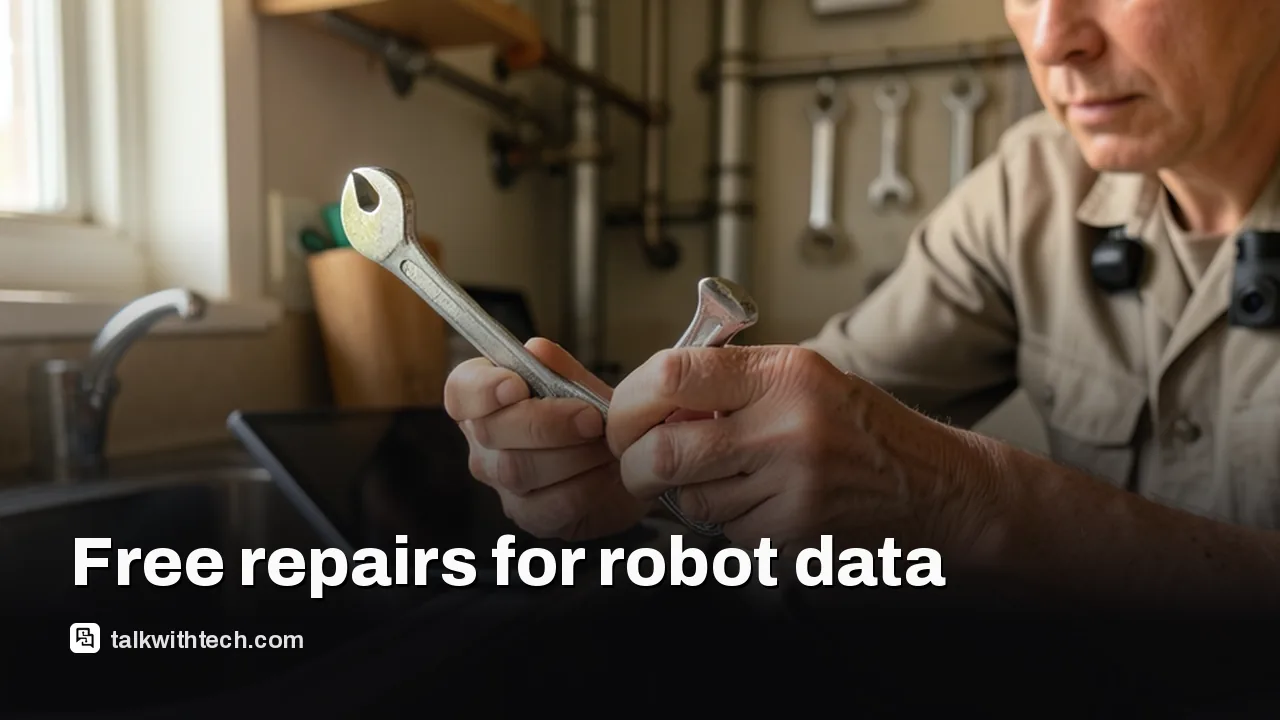
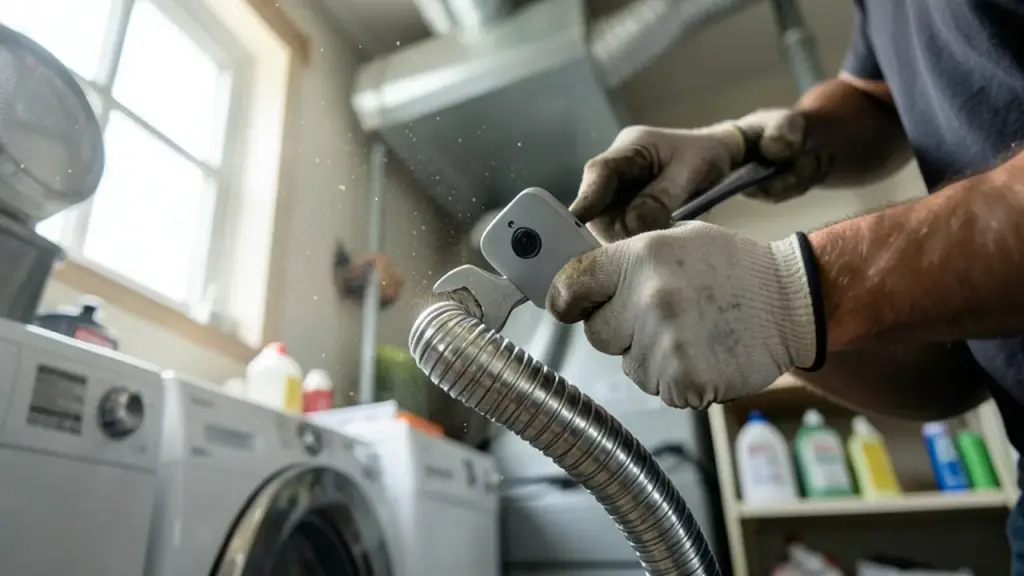
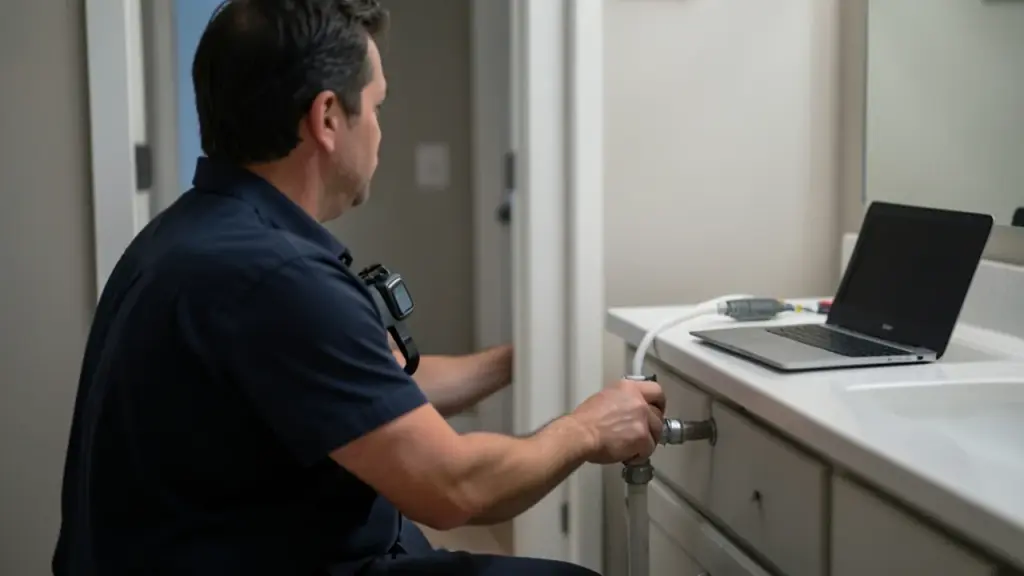
The program relies on wearable capture tech worn by technicians as they perform the services. HUMXN says the data will cover movements, tool usage, the sequence of steps, and environmental context to help teach robots to imitate or plan these tasks in real-world settings. Homeowners won’t be billed for the qualifying work, and the services are described as free for participants.
Details on what exactly is captured, how long it’s stored, and who can access the footage aren’t fully spelled out in the initial announcements. The focus is on plumbers, electricians, HVAC specialists, and cleaning services, with the goal of creating a varied data set across different homes and climates.
02
What this could mean for everyday life
Privacy and control are the big questions. With wearable cameras inside a private home, people will want clear answers about consent, data use, who can see the footage, and whether it could be shared beyond HUMXN. If the program scales, you might see more free services in exchange for similar data collection, which could affect future home-robot tools and services.
On the tech side, the objective is clear: accelerate robotics that can handle real-world maintenance tasks in imperfect environments. If HUMXN’s approach works, it could speed up how soon such robots appear in homes and service centers.
03
The risks and the questions you should ask
Privacy and data rights are front and center. What parts of the data are stored, who owns it, and how it might be used beyond training models? Will homeowners have a say in deleting footage or opting out later? And what if the data is used to train competing products?
Compensation matters too. If you’re letting a company film inside your home, you’ll want to know exactly what you’re getting beyond the free service and how long technicians will be on site.
04
What happens next and what you can do now
If you’re curious about joining, look for HUMXN’s rollout in Minneapolis, Chicago or Miami and watch for intake details. Before agreeing, ask for a written data-use agreement that explains consent, retention, access, and deletion rights, and request plain-language explanations of what the wearable records and how it’s protected.