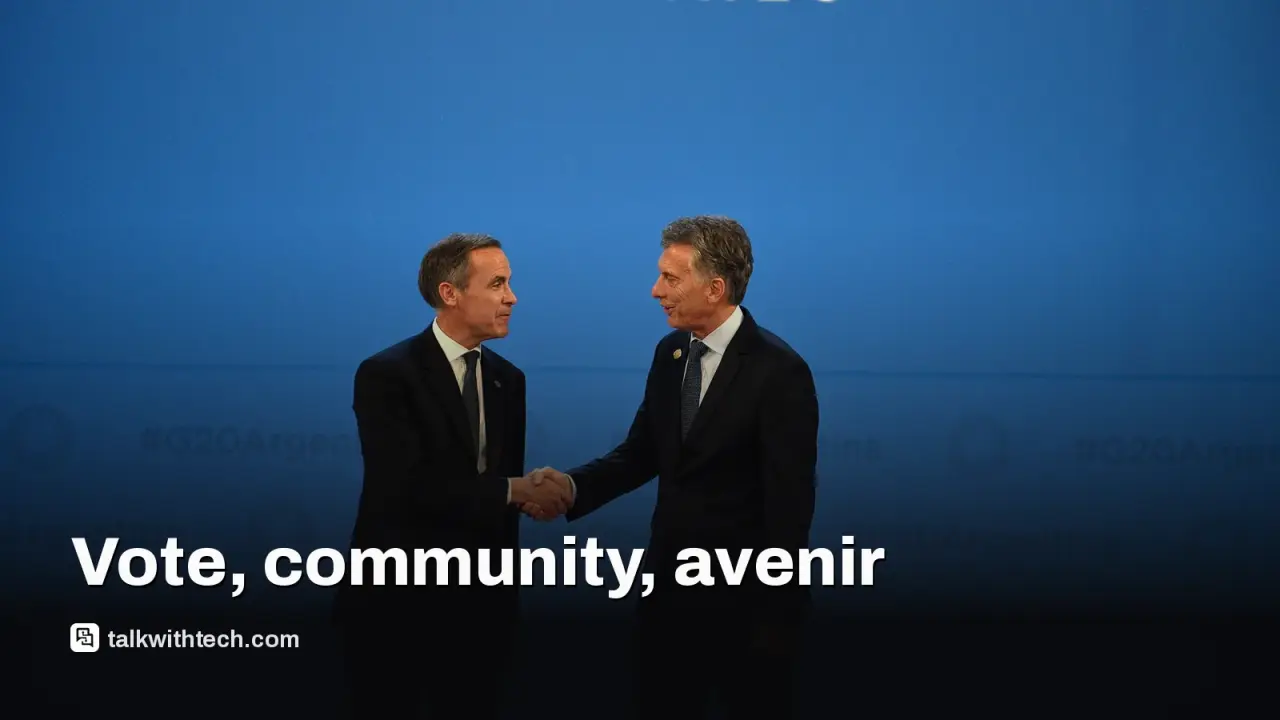
Mark Carney, the well-known former central banker, took to Bluesky today with a post that leans into the idea of community, mutual aid and civic responsibility in Canada. The message is in French and speaks to Canadians about voting as a direct way to influence the country’s future.
The post is short, but its tone matters. It uses words like veiller les uns sur les autres (watching out for one another) and être solidaires (being supportive together) to frame voting not just as a right, but as a collective duty. In a political moment where online voices can shift how people talk about issues, Carney’s post adds a touch of civics education to the online mix.
For readers outside Canada, the odds are you’ll see similar messages from public figures using social platforms to rally support or encourage turnout, even if the language shifts to fit local audiences. The core idea is simple: online posts can nudge real-world decisions, especially when they hinge on what people think is at stake for their community and country.
Les fiers Canadiens que j’ai rencontrés au Cinnamon Indian Cuisine and Bar à Calgary savent ce que signifie le mot « communauté ». S’entraider; veiller les uns sur les autres; être solidaires.
Ils sont prêts à aller voter comme si l’avenir du Canada en dépendait, car c’est bien le cas.
Mark Carney, on Bluesky
02
What readers should know about language and reach
The post is in French, which might limit its immediate reach among non-French speakers in Canada. But in a bilingual country, such messages can still travel widely through shares and translations, especially when they touch on universal topics like community and responsibility. It also shows how public figures tailor messages to specific audiences online, whether in English, French or other languages.
03
The political angle you should care about
Messages like this can help set a tone for public discourse ahead of an election. They don’t just state opinions; they aim to shape how people think about civic duties and the kind of future they want. For everyday readers, that can influence whom you talk to, what issues you notice, and how you decide who to vote for.
04
What this means for everyday life
Online posts from influential figures can nudge participation and awareness. If you’re following Canadian politics, this is a reminder to check multiple sources, read the issues, and understand where a post ends and policy begins. Social posts can spark questions, but they rarely tell you everything you need to know to make an informed decision.
05
What happens next
Watch for more online posts from public figures about the election, across platforms and in multiple languages. If you’re curious, follow the conversations on Bluesky and other social apps to see how messages like this ripple through different communities and potentially affect turnout.
06
Quick answers
What did Mark Carney say on Bluesky?
He wrote in French about Canadian community and mutual aid, urging people to vote as if Canada’s future depended on it.
Why does the platform matter?
The choice of Bluesky signals how a post might travel, who engages with it, and how it frames the conversation for different audiences.
07
What you can do now
If you’re curious about how online messages shape elections, follow a range of voices in both official channels and independent voices. Compare what you read online with official election information and let your vote be guided by widely sourced, factual policy points.