A new three-hour documentary about Elizabeth Holmes traces her rise and fall with Nathan Fielder as a co-director.
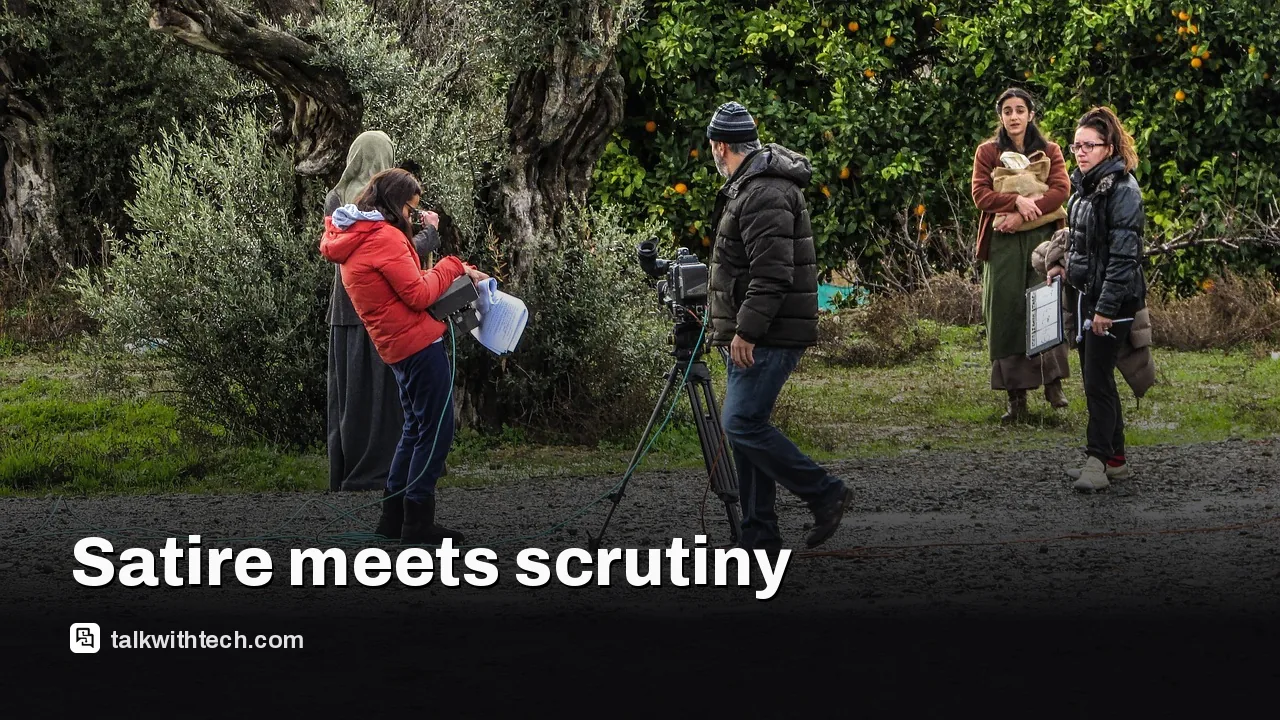
Fielder’s signature misdirection and deadpan humor shape how the Theranos story is told, blending satire with serious scrutiny.
Scholars describe Fielder as an “engineer’s brain” who turns everyday problems into elaborate schemes, which informs the film’s approach to truth and manipulation.
Quick read · 1 min
A three-hour documentary about Elizabeth Holmes and the Theranos saga is co-directed by Nathan Fielder and Lance Oppenheim. Expect a blend of satire and serious scrutiny that challenges how tech stories are told and sold.
Why it matters: it questions the line between hype and evidence in biotech and startup culture, a lesson readers can apply to everyday tech claims. The film’s approach prompts viewers to demand more verification and clearer data in tech narratives.
What’s next: the audience reaction will shape future portraits of tech figures and the way media cover ambitious claims.
The surprise here isn’t that a Nathan Fielder project exists, but what it does with a story already familiar to readers of Silicon Valley lore. The documentary, co-directed by Fielder and Lance Oppenheim, takes a three-hour look at Elizabeth Holmes and the Theranos saga. If you’ve watched Fielder’s past work, you know you’re not getting a straightforward biography. You’re getting a carefully staged conversation with the audience about how stories in tech are built, sold and sometimes collapsed by the people who tell them.
So why should you care? Holmes’s rise and fall have long framed conversations about expert claims in biotech, investor hype and the ethical lines in startup culture. This film adds a new layer by letting Fielder’s unique voice guide you through the tangled web of promises and crushed expectations. For everyday readers, it’s a reminder that some so-called breakthroughs are built on spectacle as much as science, and that the truth often hides in the gaps between what’s marketed and what’s real.
nathan fielder doing a movie about how elizabeth holmes is a deceptive sociopath feels exactly like when dexter takes down a worse serial killer
Fielder’s storytelling isn’t about pinning down facts with a courtroom-style timeline. It’s about the friction between what people want to believe and what is verifiably true. The documentary leans on Fielder’s long-running method, creating awkward, revealing situations to coax truth from participants and observers alike. In his own words, his approach has often shown the world “altered versions of himself,” leaving audiences unsure who the real person is and what’s real in front of them.
Scholars weigh in on this technique. Andrew Bricker, an associate professor of English, describes Fielder as an “engineer’s brain” that views the world through simplified problems and solutions. That mindset helps the film dissect how Holmes marketed Theranos as a medical breakthrough and how investors evaluated it against the gravity of independent verification. The effect isn’t just entertainment; it’s a test of trust in tech storytelling.
02
Holmes as subject: what we learn and what we don’t
The film places Elizabeth Holmes at the center, asking what she presented to the public and what she kept behind closed doors. It’s not just a character study; it’s a case study in press, PR and the ways tech narratives can outpace simple evidence. Kate Rennebohm, a professor of film, notes that Holmes embodies a paradox: a public persona built to resemble Steve Jobs, paired with claims that never matched the science. That tension is what the documentary aims to expose without sacrificing the human drama at its core.
The piece also serves as a cautionary tale about media literacy in tech. It highlights how easily a compelling story can overshadow rigorous validation, an issue that resonates with readers who rely on product claims every day, from healthcare tech to consumer gadgets.
03
What this means for viewers and the tech world
For viewers, the film asks you to question the stories you’re told about tech breakthroughs. It doesn’t just recount a high-profile failure; it invites you to think critically about evidence, disclosures and the role of spectacle in startup culture. It’s a reminder that in tech, the line between inspiration and hype can blur quickly, especially when charismatic leaders frame the narrative and investors chase big headlines.
For the tech industry, the documentary contributes to an ongoing conversation about ethics, transparency and accountability. It underscores the importance of independent testing, peer review and accessible data when evaluating ambitious claims. In short, it’s a nudge toward more skeptical, patient scrutiny in a world that loves big narratives and faster timelines.
04
What happens next
If you’re curious how the documentary will land with audiences, expect a mix of praise for its audacity and debate about its methods. The three-hour runtime suggests a substantial, immersive look rather than a quick takeaway, and the collaboration between a satirical filmmaker and a serious documentary maker hints at more than just a conventional bio. The reaction may shape how future tech portraits balance drama with verifiable detail.
It’s a three-hour look at Elizabeth Holmes and the Theranos saga, directed by Nathan Fielder and Lance Oppenheim, combining humor with critical examination of truth in tech.
What makes this different from other Theranos coverage?
It foregrounds Fielder’s distinct storytelling approach, focusing on how narratives in tech are built and believed, rather than just recounting the timeline of events.
What to watch for next: how the film’s reception influences conversations about ethics and transparency in tech storytelling.