BBC license fee streaming could add about $240 a year
The UK may expand the BBC license fee to cover streaming services, potentially raising the annual cost for watching online video.
Talk With Tech Newsroom
The short version
The UK government is considering expanding the BBC license fee to cover streaming services, potentially costing residents about $240 a year to watch YouTube in the UK.
Currently, the BBC license fee is £180 per year, which funds BBC channels, BBC iPlayer and other services.
Proponents say the change would boost local journalism and help combat misinformation; opponents worry about how it would be enforced and who pays.
Details and timing remain uncertain, with reports anchored to an Independent story and official confirmations still outstanding.
Quick read · 1 min
The UK is considering expanding the BBC license fee to cover streaming video platforms like Netflix, Disney+ and YouTube. If enacted, residents could face about $240 a year to watch streaming services in the UK. The current license fee is £180 per year and funds BBC channels and iPlayer.
The goal is to boost funding for local journalism and counter misinformation. Critics worry about how the plan would be enforced and who pays. No final decision has been announced, and timing remains unclear.
What readers in the US, UK and Canada should watch for next: official confirmation, details on eligible services, and any transition plan for households already paying subscription fees.
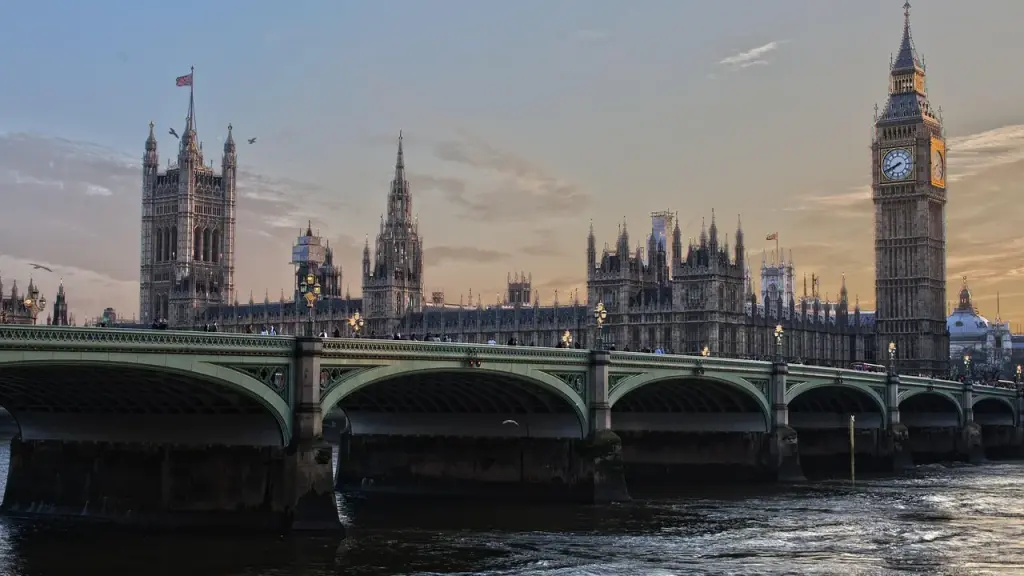
The UK is eyeing a major change to how it funds the BBC. If the proposal moves forward, residents might be charged a national fee to access streaming video platforms, including services like Netflix, Amazon Prime Video, Disney+ and YouTube. That would be in addition to, or instead of, the current system that funds the BBC through an annual license.
In practical terms, early reporting suggests the expansion could push the annual cost to about $240 a year for watching YouTube in the region. The exact services covered and how payment would be collected are still being debated. The standard BBC license today sits at £180 per year, roughly $239, and is tied to watching live TV or using BBC iPlayer and other BBC channels. The government’s plan would widen that net to apply to streaming platforms accessed on phones, tablets and computers, not just on a television set.
The idea behind the potential change is to ensure funding for local journalism and to counter misinformation campaigns, according to the reporting that has circulated. Supporters argue streaming platforms are a big part of how people in the UK consume video content today, so broadening the license could be fair. Critics worry about how a broader fee would be implemented, who would bear the cost, and whether it would chill online platforms beyond BBC content.
As of now, no final decision has been announced and officials have not publicly committed to a timetable. The Independent reported the plan will be discussed later this year, but formal proposals and the exact scope of services covered have yet to be confirmed.
What this could mean for readers in the United States, United Kingdom and Canada is simple: if the plan becomes law, there could be an extra annual charge for streaming video in the UK, beyond what you already pay for internet access or any streaming subscriptions you want to hold. For now, it’s a developing story, with key questions about enforcement, exemptions, and how it would apply to households that don’t own a television but still watch online video.
The Air Force is seeking a modular, open hardware upgrade for the F-16’s flight and mission computer, with room for GPUs and AI, to extend the jet’s life into the 2040s.
Apple lays out its position in a fresh court filing, arguing OpenAI’s latest accusations aren’t tied to the central case and were filed without prior notice.
4 min read
We use cookies to understand how readers use Talk With Tech, so we can make it better. Is that OK? Privacy policy
The Daily Brief
Today's biggest tech stories, in 5 minutes
Every morning, the news that matters from AI, phones, apps and the people shaping tech. Explained in plain English. Free.
One email a day. No spam, unsubscribe anytime. Privacy policy