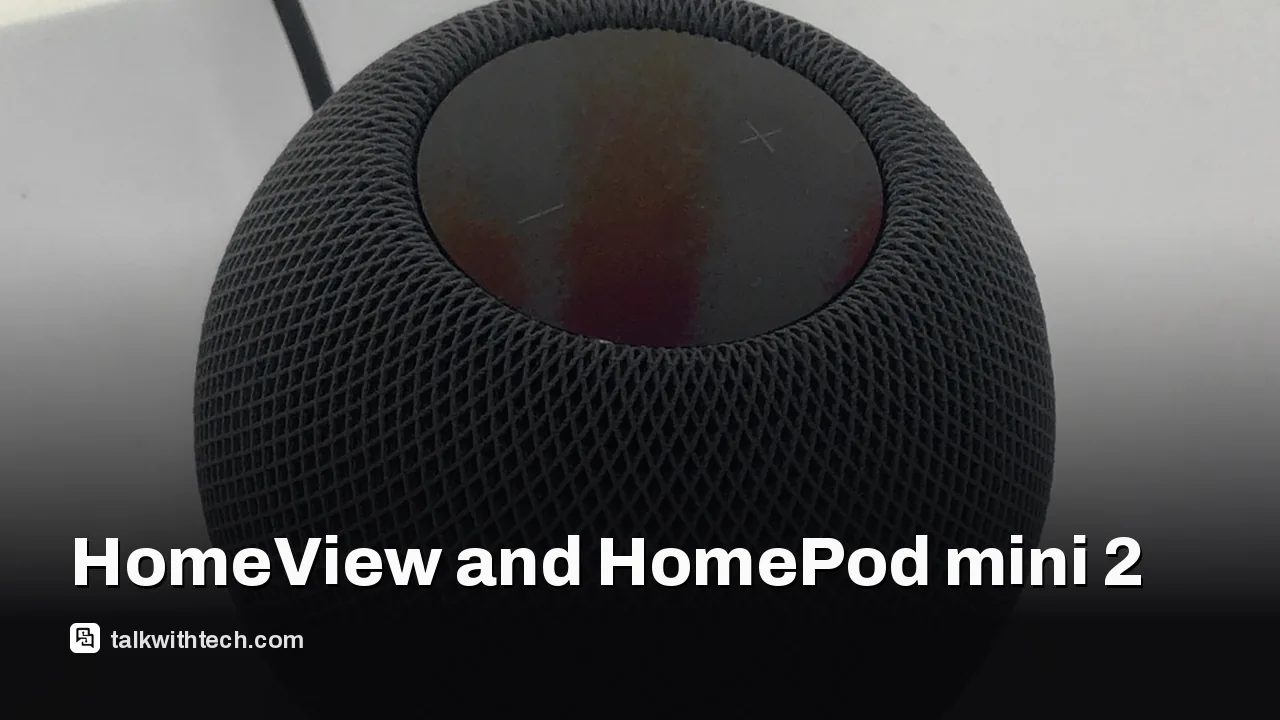
Apple introduced the HomePod mini 2, a new Apple TV 4K, and a smart home hub called HomeView.
HomeView is a 7-inch display with Siri AI, FaceTime, music playback, and home controls, priced at $299.
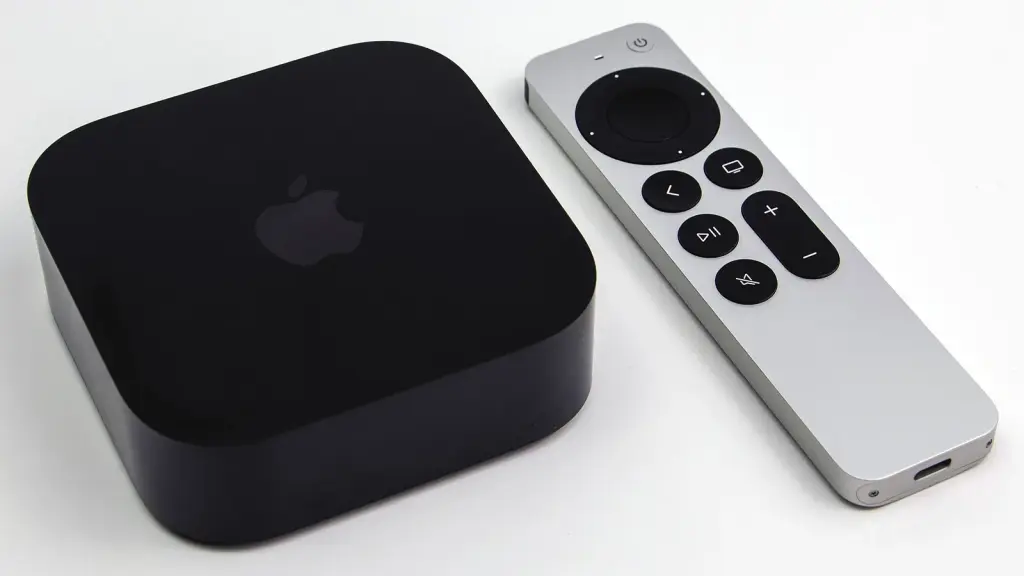
The new Apple TV 4K runs on an A19 chip with built-in microphones and a refreshed Siri Remote, also priced at $299.
HomeView supports up to six recognized people and leans on paired devices for personal content; no App Store for third-party apps.
Quick read · 2 min
Apple announced a refreshed smart-home trio: the HomePod mini 2, a new Apple TV 4K, and a wall-mounted HomeView display. HomeView is a 7-inch screen with Siri AI for timers, calls, and home controls, priced at $299. It doesn’t run third‑party apps; instead, apps appear via a connected iPhone or iPad. The HomePod mini 2 adds an S10 chip and a feature called Sound Glow, with a $149 price. The new Apple TV 4K has an A19 chip, built-in microphones, and a refreshed remote, and also costs $299.
Why it matters: if you’re in Apple’s orbit, these devices are meant to work together and simplify how you manage home tasks and media. Privacy stays front and center, with content staying local to recognized users.
What happens next: the devices land around late October, with more features rolling out in the near future. If you’re considering an upgrade, think about whether you want a dedicated home display, a new streaming box, or simply tighter integration across your Apple devices.
Apple pulled back the curtain on a refreshed smart-home lineup this week, rolling out the HomePod mini 2, a new Apple TV 4K, and a wall-mounted smart display called HomeView. The trio is built to work together, expanding Apple’s in-home brainpower beyond the iPhone and iPad.
The centerpiece for many households is HomeView, a 7-inch screen that sits on a counter or wall. It runs Siri AI and can handle FaceTime, music playback, timers, and smart-home controls. It costs $299 in the U.S. and arrives with a very specific caveat: it doesn’t run third-party apps the way a tablet or phone might. Instead, third-party audio and video services appear through an iPhone or iPad when needed, via a CarPlay-like connection. In short, it’s a smart display that leans on the rest of your Apple devices rather than acting as a standalone app hub.
Alongside HomeView, Apple is shipping a new HomePod mini 2 and a refreshed Apple TV 4K. The HomePod mini 2 adds a new S10 chip, a glowing display feature called Sound Glow, and it can act as a default speaker for Macs that support recent Wi‑Fi standards. It’s priced at $149, higher than the original mini’s launch price, and it goes on sale later this month. The new Apple TV 4K features an A19 chip, built‑in microphones, a refreshed Siri Remote, and the promise of Siri AI across older models as well. It starts at $299 and includes 128GB of storage, Ethernet, and Thread support. If you want a full surround experience, Apple says you can pair the new box with HomePod speakers for a bigger setup.
Privacy remains a throughline. Apple highlights that personal content on HomeView appears only when the user is recognized and nearby devices are unlocked, and there’s no App Store on the device itself. The company frames these hardware and software choices as a way to keep things simple while preserving user privacy in a room full of connected devices.
What this means for you is simple: if you’re invested in Apple’s ecosystem, these devices are meant to feel like a natural extension of the iPhone and iPad in your home. If you’re hoping to run a lot of third‑party apps on a home screen, this approach may feel limiting. For most households, the quick path is to use HomeView for family calendars, timers, and quick home controls, while relying on iPhone apps when needed.
Launch timing, per Apple, points to October 30 for some features, with other pieces rolling out soon after. If you’re budgeting for a new smart-home setup, you’ll want to weigh whether you want to replace or augment existing speakers and displays with the HomePod mini 2 and the new TV box, along with the HomeView display.