Overhead projector history and why classrooms left it behind
A fresh look at the device that let teachers share handwritten notes with every student, and how digital tools aged it out of the room.
Talk With Tech Newsroom
The short version
The overhead projector started as a military tool and found a home in classrooms by letting teachers project handwritten notes for all to see.
The episode traces its rise, how it shaped lesson design, and why it faded as digital slides and interactive displays became common.
The shift wasn’t just about hardware; it reflected changes in how teachers plan, present, and share information with students.
Today’s classroom tech should build on this history by prioritizing reliability, simplicity, and ease of use for teachers.
Quick read · 1 min
The overhead projector quietly changed classrooms by letting teachers project handwritten notes for everyone to see. As digital slides and smart boards arrived, the OHP faded away. A Version History episode traces that shift, showing how the device shaped teaching while highlighting what modern classroom tech should learn from its simplicity: keep it reliable and easy to use.
For today’s classrooms, the lesson is clear: choose tools that enhance teaching without complicating it. The episode nudges educators to think about what features actually improve learning and how to maintain the human pace of teaching even as technology evolves.
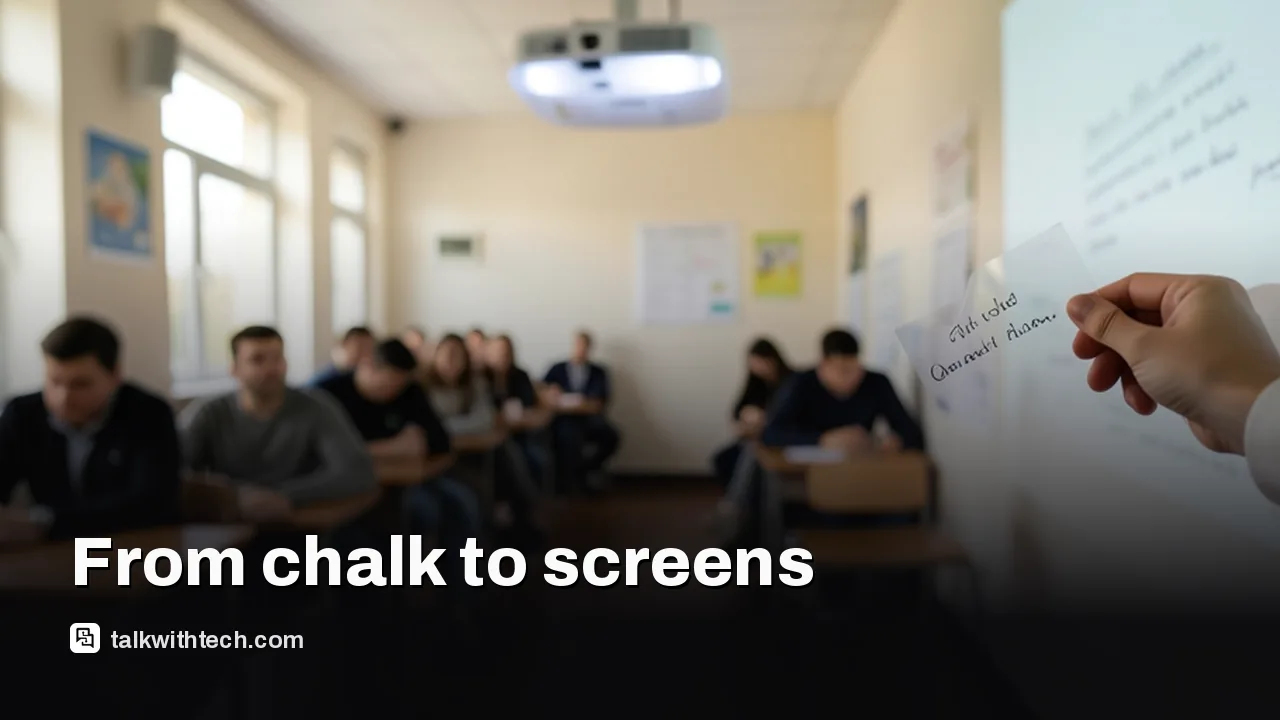
The overhead projector was never meant to be glamorous. It was a practical device that let a teacher’s handwritten notes, diagrams, and quick sketches be visible to every student in the room. A recent episode of Version History revisits how this military-adjacent gadget became a schoolroom staple for decades, and how it quietly ceded its place to newer technology.
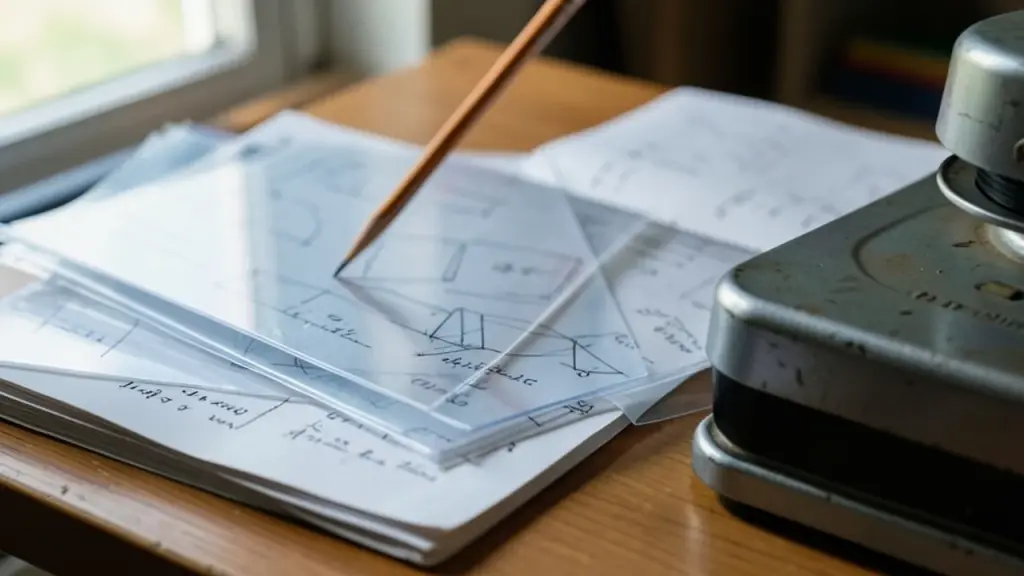
The story isn’t about a single invention’s flash. It’s about a device that transformed classroom pacing and collaboration. Teachers used the OHP to write on a clear sheet, slide it into position, and watch a roomful of students follow along in real time. There was a rhythm to it: you would fill a page, lift it to the light, and the class would move together, line by line. It wasn’t fancy, but it was reliable and predictable, two qualities schools prize above all when it comes to daily use.
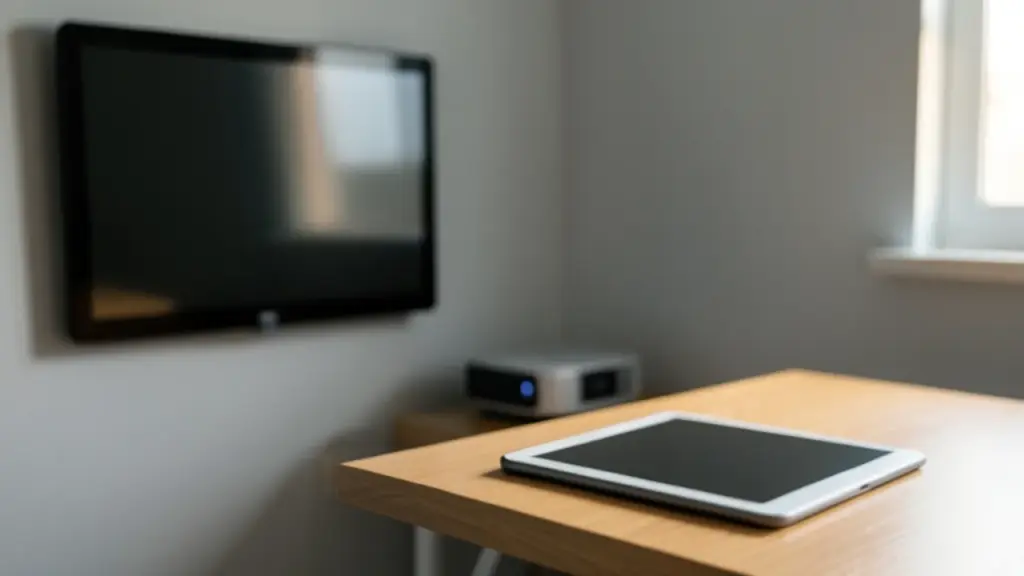
As computers and projectors evolved, schools shifted away from acetate sheets toward digital slides, then interactive displays. The new tools offered benefits the old device could never match: instant saving of lessons, easier sharing, and the ability to pull up online resources in seconds. The episode points out that the move to digital didn’t erase the value of a shared visual space; it simply expanded what could be shown and how quickly teachers could adapt a lesson on the fly.
What’s left behind in this timeline isn’t just a gadget. It’s a record of how teachers design lessons and how students experience learning. The overhead projector was a bridge between paper and pixels, and its rise mirrors the broader shift from handwriting to digital media in classrooms across the U.S., the U.K., and Canada. The episode invites educators and readers to consider what makes a classroom tool truly useful: does it simplify teaching, or does it complicate it with new features that don’t always serve learning?
Looking ahead, the takeaway is practical. If schools are choosing new equipment today, they should ask whether a tool will still be easy for teachers to use five years from now, not just five minutes after it’s installed. Reliability, durability, and a straightforward workflow often beat the bling of the latest gadget. In other words, the best classroom tech helps teachers teach and students learn, without getting in the way.