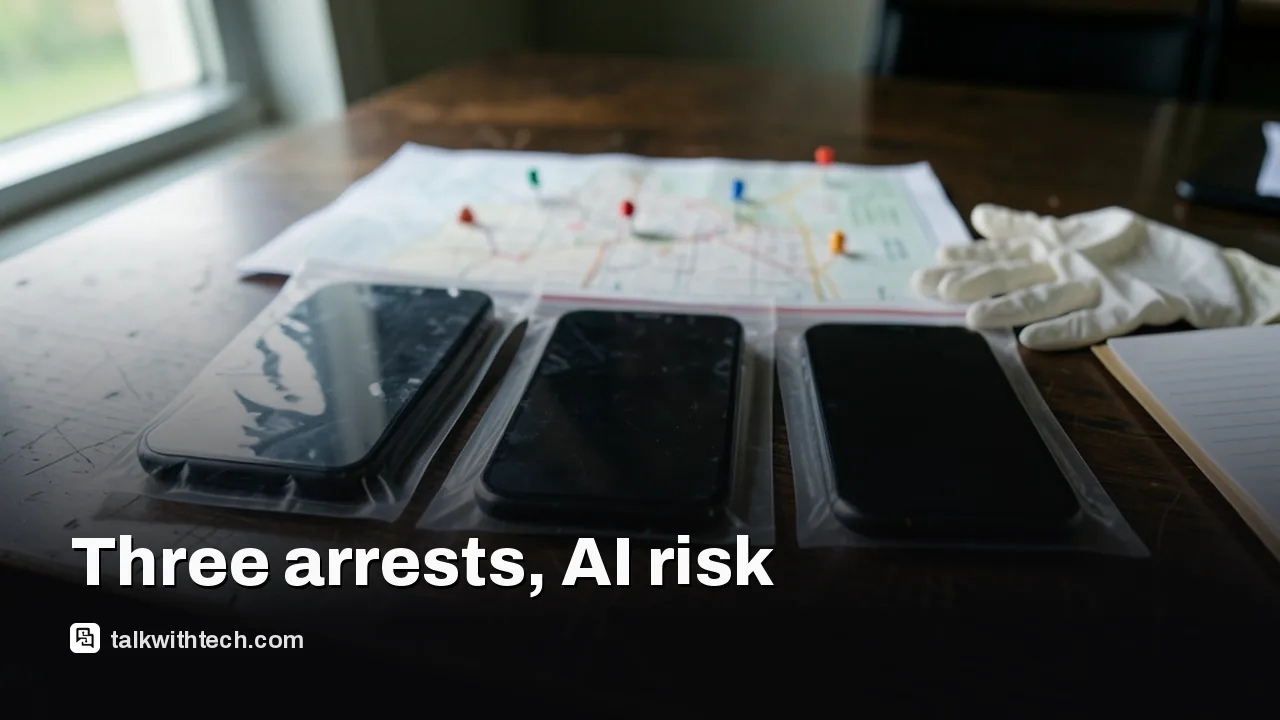
The FBI says it has arrested another suspected member of the ShinyHunters cyber extortion group, bringing the count to three in this ongoing case.
Reports place at least one suspect in the Netherlands and another detained in Jordan; a New York Times report mentions a Canadian citizen allegedly arrested in Pennsylvania. Details remain unofficial at this time.
ShinyHunters has claimed its actions are not purely about money but about preserving their reputation, complicating how investigators assess motive and risk.
The evolving role of AI in cybersecurity is discussed in industry chatter, but the core story is law enforcement activity and what it signals for future breaches.
Quick read · 1 min
The FBI says there’s another arrest tied to the ShinyHunters cyber extortion group, suggesting a third suspect is in custody. Details are still emerging, with reports claiming the arrests occurred in the Netherlands, Jordan, and Pennsylvania, though nothing is official yet.
Readers should be cautious about their data. Keep two-factor authentication on, watch for phishing lures after a breach, and keep software updated.
Expect further official updates and charges as the investigation progresses.
Review financial statements and online accounts for unusual activity.
Use strong, unique passwords and enable account alerts where available.
The FBI says there has been another arrest tied to the ShinyHunters cyber extortion group, marking what appears to be a third person taken into custody in connection with a breach that affected a range of organizations and individuals. Details about the latest arrest are scarce in official channels, but the move underscores ongoing U.S. government focus on this group and similar cybercrime networks.
What adds complexity here is the mosaic of reports about where suspects are held and who exactly has been charged. One account places a Canadian citizen in Pennsylvania as the latest arrest, while other reports indicate the first two arrests happened in the Netherlands and in Jordan. At this stage, official statements have not confirmed all of those locations, so readers should treat these as unconfirmed reports rather than settled facts.
The ShinyHunters group has presented a different picture of its motives. In discussions linked to their public messaging around the breach, the group has insisted their actions were not financially motivated and that their goal was to preserve their reputation. That framing matters because it shapes how investigators assess intent and the likelihood of future incidents. When a criminal group says its aim is reputation rather than profit, it can signal a persistence in pushing back against narratives that label them as mere criminals chasing money.
Beyond the arrests, the story highlights a broader point about modern cybercrime: the line between traditional extortion and well-publicized political or reputational stunts can blur. As law enforcement widens its net and coordinates with international partners, the next steps may hinge on extradition deals and cross-border cooperation. While arrests are a headline, the ongoing risk to everyday users, breached data, phishing lures, or follow-up extortion attempts, remains real and requires practical steps from individuals and organizations alike.
🚨 Our agents in the field have arrested another suspected co-conspirator of the ShinyHunters group – the group believed to be responsible for the recent https://t.co/RG0D4I5KFS incident, which occurred on a platform managed by a third-party vendor.
This is the latest arrest…
— FBI Director Kash Patel (@FBIDirectorKash) October 9, 2026
01
What this means for you and your data
For ordinary users, a primary implication is vigilance. Even if you’re not in the breach’s direct target list, you can expect more breach notifications, more phishing attempts masquerading as post-breach follow-ups, and a continued push by criminals to leverage compromised data. The best practical moves are unchanged: review accounts for unusual activity, enable two-factor authentication where possible, and be wary of unexpected prompts asking for personal information or payment details.
02
How investigators frame the case
Official statements in these situations emphasize criminal activity, disclosure timing, and the international scope of cybercrime networks. When reports conflict about where suspects are held or charged, readers should wait for formal charges and court records to clarify the exact status. The absence of a final, public indictment does not mean the case isn’t progressing, it often means investigations are ongoing and sensitive.
03
The AI angle you might hear about
While this story centers on arrests, the broader cyber conversation increasingly folds in how AI tools could influence both criminal operations and defense. In this particular case, the headlines are about enforcement and motive rather than a specific AI capability being exploited. Still, as AI tools become more accessible to attackers and defenders alike, individuals and firms should stay aware of evolving risks and protective measures.
04
What happens next
Expect further official updates from U.S. authorities as charges are filed and extradition processes proceed. In the meantime, stay cautious about data leaks and follow good security hygiene, enable multi-factor authentication, monitor financial statements for odd activity, and keep software up to date.
The FBI announced another arrest related to the ShinyHunters breach, with reports of a third suspect; details are not fully confirmed yet.
Where were the suspects held?
Reports vary: the Netherlands, Jordan, and Pennsylvania are mentioned in different outlets; formal charges will clarify this.
End of piece: Look for official court records to confirm identities and charges, and follow practical guidance from your security software and service providers.
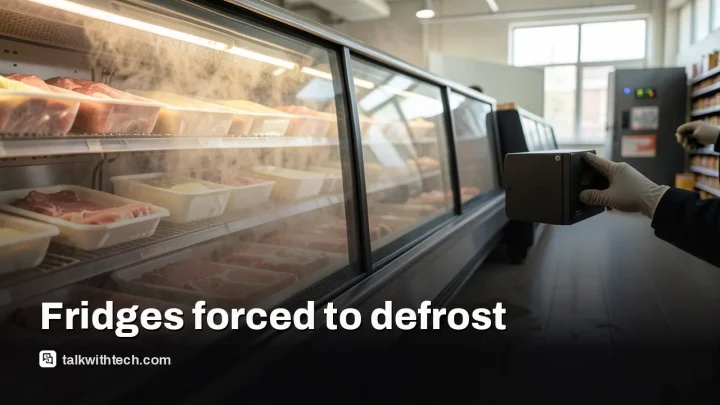
Hackers disrupted refrigeration controls and digital price labels across several supermarket chains, causing nonstop defrosting, price glitches, and delivery hiccups.
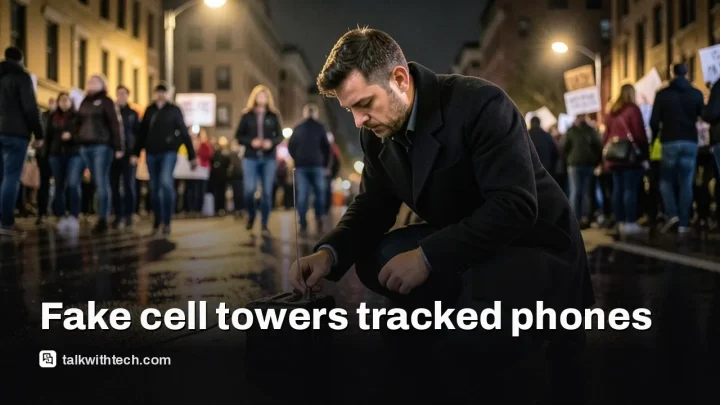
Warrants authorized the use of cell-site simulators to locate a college student linked to protest coverage, raising concerns about dragnet data collection.