J Mascis recently discussed an AI-generated video for his song Old Friends, calling it a sign of the times even if he’s not onboard with AI in music creation.
He describes himself as a tube purist who prefers analog gear but won’t shun new tech altogether.
Mascis says AI is here, and we’re learning how to deal with it, but he doubts it has a future in how music is actually made.
The interview touches on the band’s long tenure and a preference for straightforward recording over heavy digital tinkering.
Quick read · 2 min
Dinosaur Jr. frontman J Mascis has weighed in on AI in music after an AI-generated video for Old Friends circulated online. He says it’s interesting but not something he wants to rely on for making music. Mascis describes himself as a tube purist who still uses analog sensibilities alongside modern tools. He acknowledges AI is here, but he doubts it belongs in the actual music-making process. The interview also touches on his band’s long-running approach: short demos, quick capturing of ideas, and a live sound that emphasizes the real gear in the room. For fans, the takeaway is simple: AI may appear in videos or visuals, but Dinosaur Jr. sticks to a straightforward, human-driven recording approach. What happens next? Expect ongoing conversations about where AI fits in music and more artists setting boundaries around its use.
The latest conversation around AI in music isn’t coming from a grand studio project or a tech startup. It comes from J Mascis, the frontman of Dinosaur Jr., who talked about an AI-generated video for his solo track Old Friends and what he thinks about AI’s role in music.
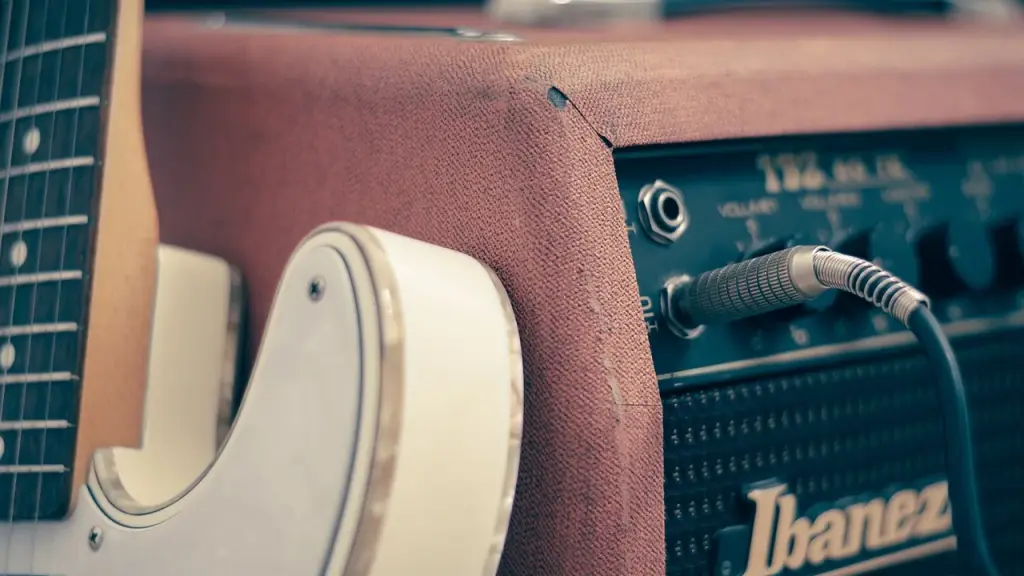
Mascis isn’t anti-tech. He describes himself as a “tube purist” who loves the feel of real gear but isn’t blind to change. He told us he uses a mix of old-school and modern tools, often tracking in Pro Tools while keeping some processes on tape. He says, “I am kind of a tube purist guy, but it’s just also kind of inconvenient sometimes,” and notes that the neck and frets are the main things he cares about when designing signature instruments. The takeaway: champions of classic gear aren’t opposed to new methods so long as they serve the music.
When asked about AI, Mascis offered a pragmatic line. He described the AI-created video for Old Friends as something “a kid did” and admitted the result looked cool enough to catch his eye. But he drew a clear line: “I don’t do much with videos,” and he doesn’t see a place for AI in the actual process of making music. The moment underscores a broader tension in the industry: AI can generate ideas and visuals, but many musicians still want human control over the core craft of songwriting and performance.
Beyond his stance on AI, Mascis touched on the band’s longevity. At more than 40 years deep, Dinosaur Jr. keeps its approach light and flexible. He said the group doesn’t chase perfect takes or marathon sessions; demos come in, the band learns parts on the fly, and they record quickly. The philosophy echoes a broader point: technology should serve the artist, not dictate the workflow.
The interview also highlights a subtle shift in how audiences connect with live music. Mascis notes that sound engineers are now shaping the overall experience more than ever, with the live sound sometimes feeling more “constructed” by front-of-house tech than captured in the amps. It’s a reminder that tech changes how music is presented live, even if some artists prefer a more direct, amp-first approach.
So where does that leave fans? For now, fans who love Dinosaur Jr. can expect a band that values real instruments and a straightforward recording process, with AI appearing only as a curiosity or spectacle rather than a tool for making their music. Mascis’s stance makes a convincing case that the future of music might be a hybrid: use AI for inspiration or visuals, but keep the core creative act, writing and performing, to human hands.
What happens next is anything but certain. Mascis’s comments show that while AI will continue to pop up in music circles, a large swath of artists will push back on letting machines replace the human touch that defines a songwriter or a guitarist. Expect more debates about what AI should or shouldn’t do in the studio, and more artists carving out clear boundaries like Mascis did here.
Tesla’s Roadster uses a multi-mode fan system for downforce, joining a small group of cars that use suction under the body. Here’s who else is in the mix.