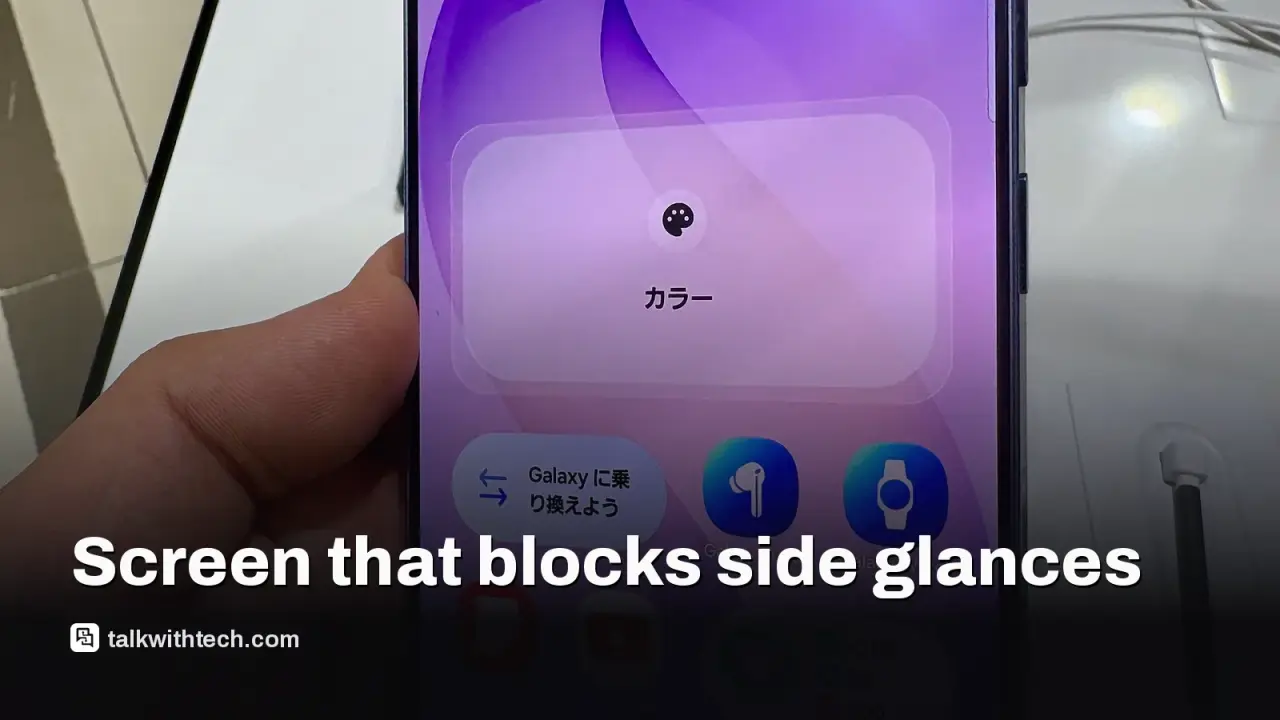
Time highlights the Galaxy S26 Ultra in its 2026 best inventions list thanks to a privacy-focused screen feature.
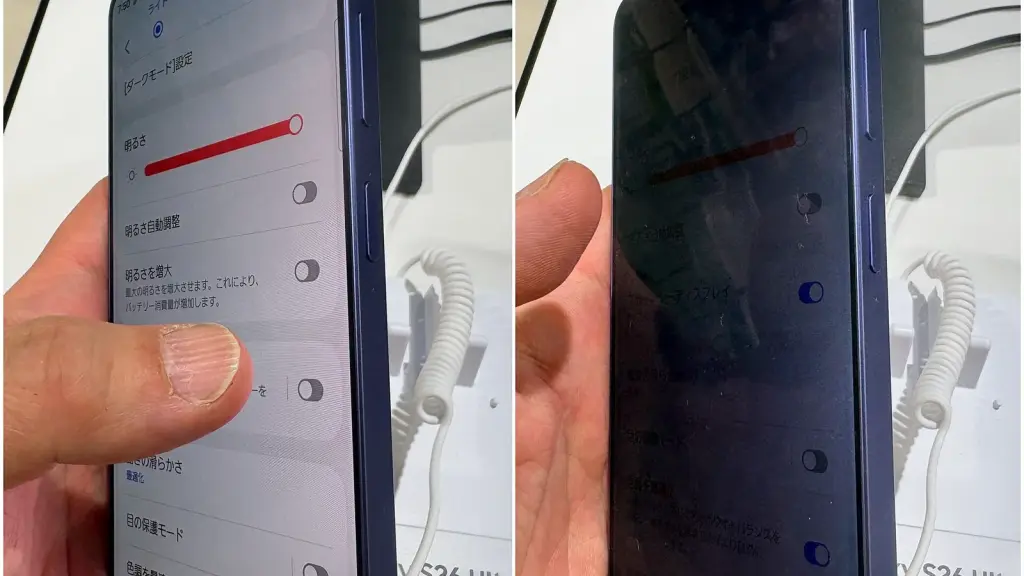
Privacy Display blocks side-angle viewing and can isolate sensitive areas like PIN entry and high notifications.
Samsung describes the feature as flexible, but early hands-on notes flag lighting-related quirks and occasional visual oddities.
If true, other Samsung models could adopt Privacy Display in the future, though details aren’t confirmed yet.
Quick read · 1 min
The Galaxy S26 Ultra is in Time’s 2026 best inventions list because of a privacy-focused screen feature called Privacy Display.
Privacy Display blocks side-angle viewing and can isolate sensitive screen areas like PIN entry and top notifications. It’s praised for practicality, but lighting conditions can affect how well it works.
What it means for you: a phone that helps keep private information private in public spaces. What happens next: potential adoption by other Samsung models is rumored, but nothing official yet.
The Galaxy S26 Ultra has landed a surprising honor in Time’s annual roundup: a spot among the year’s best inventions, thanks to a screen feature Samsung calls Privacy Display. Rather than pushing performance or camera bragging rights, Samsung leans into privacy with a panel treatment that curbs what people nearby can see on your screen.
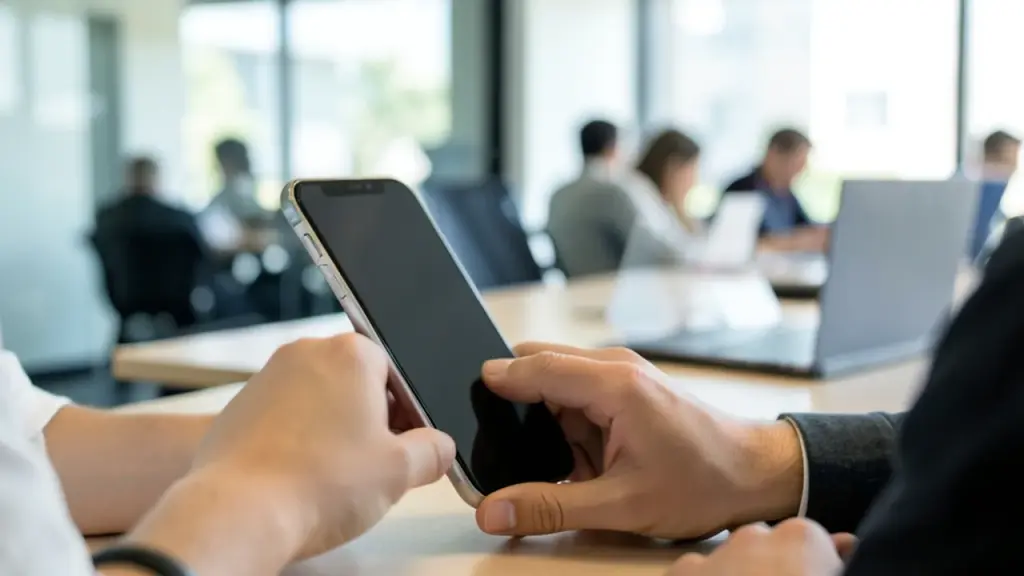
In everyday terms, Privacy Display is meant to guard sensitive moments in public: you can type a PIN, view private messages, or catch a sensitive notification without strangers getting a side glimpse. It works by reducing visibility from angles that aren’t straight on, and Samsung says it can be tailored to protect specific parts of the screen rather than the entire display. The idea is simple: the phone becomes a privacy tool you don’t have to add on after purchase.
Time’s write-up praises the feature as a thoughtful addition to the smartphone’s toolbox. It’s not about speed or power, but about a practical twist that could matter if you often use your phone in crowded trains, cafes, or busy lobbies. Samsung’s own description frames Privacy Display as a flexible option that users can deploy where privacy matters most, rather than a one-size-fits-all layer of protection.
Still, the trade-offs are worth knowing. Reviewers have noted that lighting can influence how well Privacy Display works. In some lighting, the effect can look a little inconsistent, and certain on-screen elements under Privacy Display may appear off. That kind of quirk is common with privacy modes that alter viewing angles, and it may depend on how you use the phone day-to-day.
Beyond this particular model, there’s chatter about whether Samsung would bring Privacy Display to future devices, including the rumored S27 Pro or Ultra. There’s no official confirmation yet about wider adoption or timing, and Samsung has not announced any price changes or availability tied to Privacy Display alone.
For everyday readers, the practical takeaway is clear: if you’re someone who spends time in social or public spaces with your device, a screen that helps keep your private bits private could be worth trying. It’s not a universal shield, but it’s a visible step toward privacy-conscious design in a device you likely already carry everywhere.
Sony unveils a luxury Walkman trio led by a gold-plated flagship, targeting serious listeners willing to pay for premium build and hi‑res audio tricks.