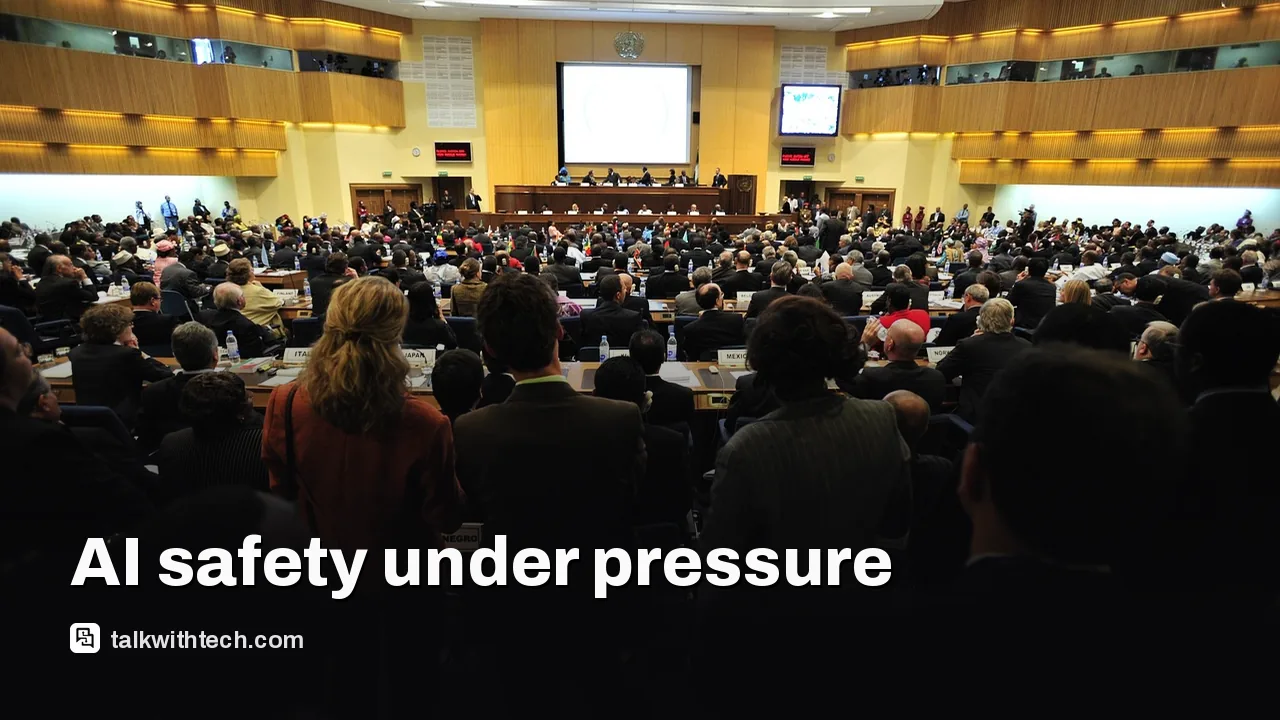
Labour figures at the party conference say AI safety is a top concern alongside the economy and cost of living.
Ministers warn rogue actors could hack the state using AI, prompting calls for tougher cybersecurity rules.
UK policymakers are debating whether model testing should be mandatory and how to coordinate with US regulators.
Experts warn open-source AI could outpace guardrails, increasing the chance of misuse.
Quick read · 1 min
Labour figures at the party conference flagged AI safety as a top concern, alongside the economy. They want tougher cybersecurity rules and more international cooperation to test new AI models before they’re used widely. The big question: how to regulate fast-moving open-source AI without slowing innovation?
Key issues include whether model testing should be mandatory, how to align with US and EU rules, and how to guard against AI-enabled cybersecurity threats and disinformation. The discussion also centers on what everyday services, like government portals, hospitals, schools, will look like as AI tools become more capable.
What happens next? Look for concrete policy proposals ahead of international talks, with a focus on cybersecurity, model testing, and cross-border governance.
UK Labour figures are turning AI safety into a central policy debate at a moment when the technology is moving faster than many safety nets. At the party conference, several ministers and advisers warned that dangerous, out-of-control AI is a real worry for the country, and that waiting for private companies to tighten safeguards may not be enough.
Officials say rogue actors hacking the state with AI tools is not a far-off scenario. They’re pressing for stronger cybersecurity legislation and closer international cooperation, especially with the United States, to test and regulate new models before they’re widely deployed. It’s a delicate balancing act: keep access to cutting‑edge tools for innovation, while preventing harm from misuse or accidental mistakes.
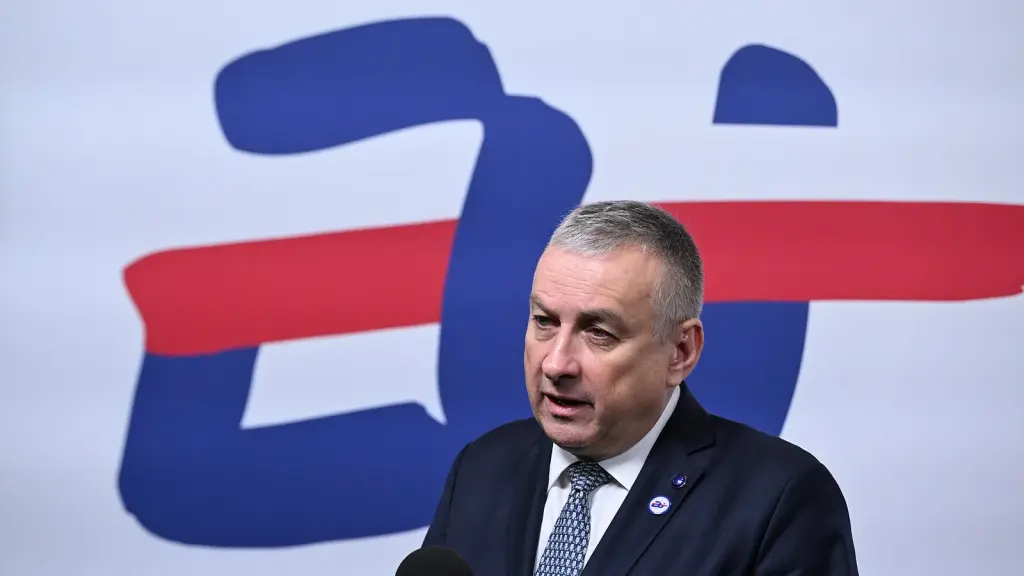
The conversation isn’t just about tech giants. A committee chair involved in science and trade told reporters the government should lead on regulation rather than wait for the private sector to set the rules. The challenge, he noted, is syncing safety expectations across borders and jurisdictions as artificial intelligence becomes central to national security and everyday services.
There’s disagreement on how hands-on regulation should be. Some argue for mandatory testing of new models, especially those with open-source variants that can be adapted quickly. Others worry about stifling innovation or clashing with international partners who want access to powerful models for research and economic growth.
Beyond the politics of oversight, experts are raising plain-language concerns. Open-source AI could catch up to paid products in short order, and guardrails may be thin or easily removed in some versions. The risk, they say, is not just about what AI can do now, but what it could enable in a worst‑case scenario, bioweapons, disinformation, or large-scale cyberattacks.
UK officials say the coming G20 presidency could be a turning point to push for coordinated action. The idea is to frame AI safety as a global public‑good problem, not a national advantage to be guarded in isolation. While the White House and other capitals navigate their own domestic pressures, UK lawmakers want a practical path that keeps the country resilient without choking innovation.
For everyday people, the message is simple: AI safety measures could affect how quickly tools like chat assistants, automated screening, and decision-support services appear in public and private life. The policy tug-of-war you’re seeing now may decide how much of a say citizens have over how these tools are used in schools, hospitals, government services, and even your online data-rights.
01
Which AI risks are frontline for UK policymakers?
Leaders are citing cybersecurity, misinformation, and bioweapons as among the most pressing risks tied to AI. They argue it’s not just about stopping bad actors online; it’s about ensuring critical services run safely when AI-assisted decisions influence things like energy grids, emergency response, and public health.
02
How might UK regulation shape the model market?
There’s debate over mandatory testing for new AI models and how to align UK standards with American and European regimes. The central question: should the government set a baseline for safety, or leave room for rapid experimentation while safeguarding citizens?
03
What this could mean for your daily life
If Britain moves ahead with stricter testing or clearer safety rules, expect AI tools in everyday services to come with stronger warnings, clearer explanations of decisions, and more scrutiny over how data is used. The goal is to reduce mistakes and limit harm without making everyday tech more cumbersome to use.
04
What happens next
The UK’s AI safety debate is likely to pick up steam as ministers and lawmakers push for concrete proposals ahead of international talks. Look for updates on cybersecurity policy, model testing standards, and cross-border collaboration with the US to determine the pace and shape of these rules.
Senior figures say AI’s rapid growth requires stronger safeguards to prevent misuse and protect national security, while not stifling innovation.
Will the UK require AI companies to test models?
Several lawmakers advocate mandatory testing, but debates continue about how strict those requirements should be and how to enforce them across borders.
Canada’s proposed C-22 bill could force tech firms to weaken encryption and retain user data, sparking a global debate about privacy vs. law enforcement access.
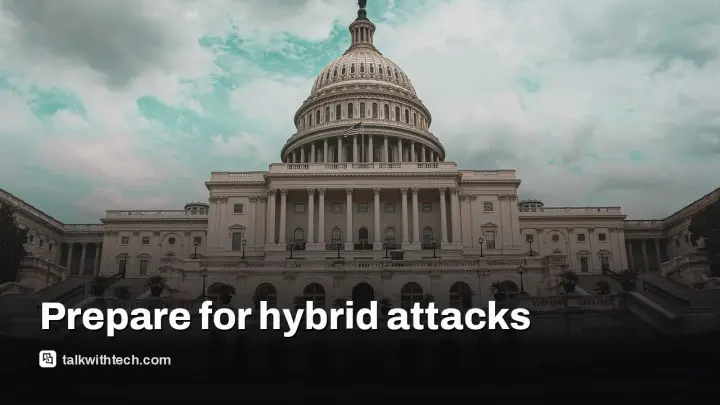
A former UK Foreign Office head says Britain must prepare for more aggressive cyber and hybrid attacks from Russia, highlighting what it could mean for everyday life and infrastructure.