Apple TV 4K surround with HomePods costs more than a soundbar
Apple's four-HomePod setup promises immersive audio, but it leaves out a center channel and a subwoofer, nudging users to weigh the cost against a traditional soundbar.
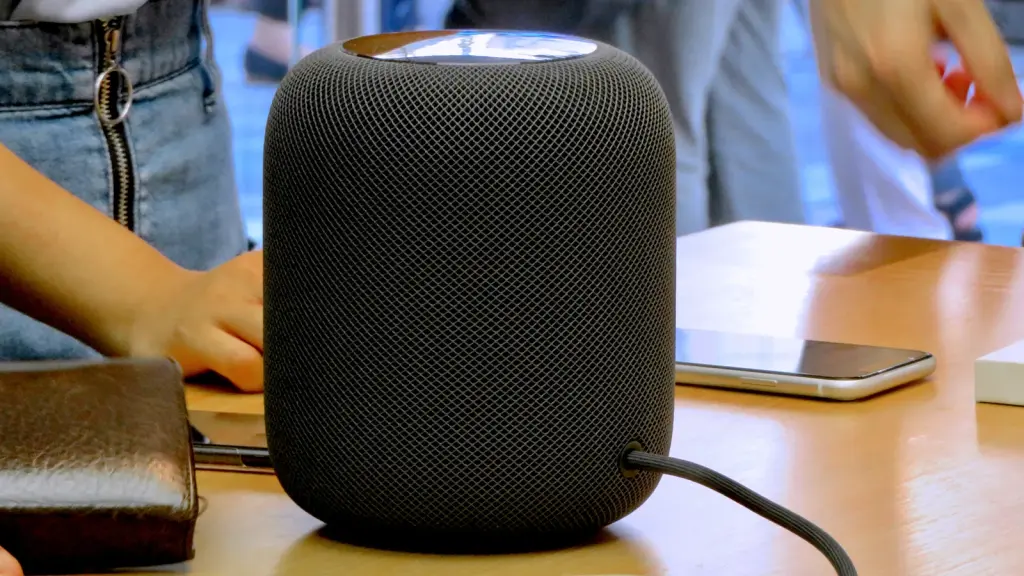
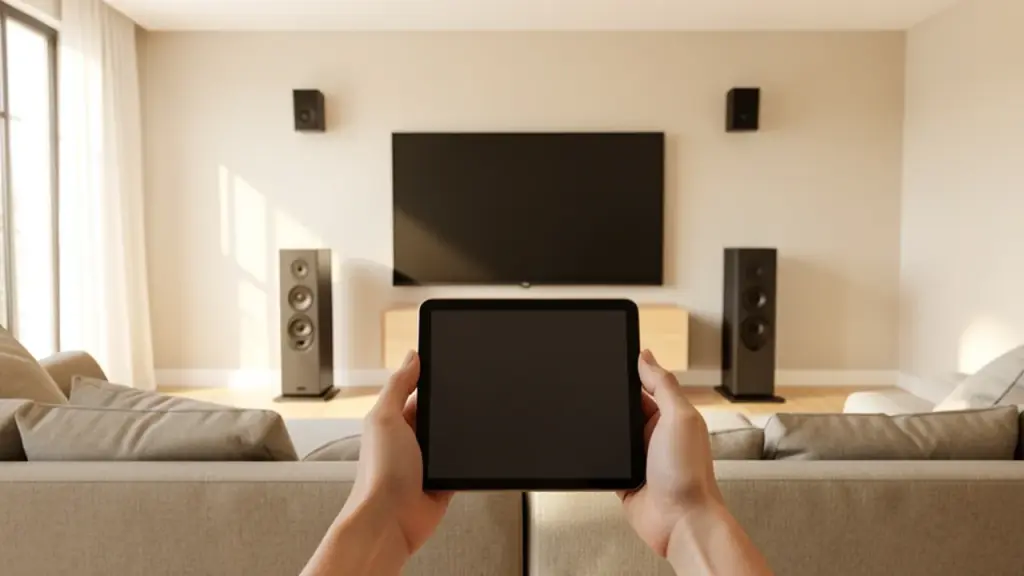
Apple enables a four-HomePod surround setup for the new Apple TV 4K, using two front and two rear speakers.
The system relies on phantom center channel and lacks a dedicated subwoofer, raising questions about dialogue clarity and bass.
Prices can push the total well over common soundbar setups, especially for larger rooms.
For existing HomePod owners with two full-size speakers, adding two Minis creates a wireless rear setup, but dialogue and bass may still lag a dedicated sub.
Quick read · 1 min
Apple now supports a four-HomePod surround setup with the latest Apple TV 4K, using two front and two rear speakers. There’s no center channel or subwoofer, so dialogue and bass may not match traditional soundbars. It’s a cable-free, calibration-driven approach that could fit homes already stocked with HomePods, especially if you add two Minis for the rear. However, for strong dialogue and deep bass, a soundbar with a sub might still be the better value. Expect hands-on reviews to weigh in on real-room performance. If you’re curious, test the setup in a store or wait for early user reports before buying.
Apple is nudging its living room tech closer to a full-blown home theater with a four-HomePod surround option for the latest Apple TV 4K. Apple describes the feature as the most immersive theater setup it has offered, using two front speakers and two rear speakers to create a surround field that can adapt to where you sit. But as you weigh the upgrade, there are real caveats to consider.
What you need to know first is the hardware requirement. The four-speaker setup requires the newest Apple TV 4K and matching pairs of HomePod speakers. You can mix full-size HomePod and HomePod mini 2 across the room, as long as the two speakers in each pair match. There’s no center channel or subwoofer in this configuration, which means voices may not sit as clearly anchored to the picture as they do with many soundbars that place a dedicated center channel and bass driver in one unit.
Apple’s approach leans on Atmos and spatial cues primarily for height and space effects, but the minis in particular may not explicitly advertise Atmos in a multi-speaker layout. The practical result is a tidy, cable-free setup that can blend into a living room with minimal hardware clutter. However, for households that prioritize clear dialogue and stronger bass for action movies, a traditional soundbar with a subwoofer can still offer more punch for less mental math about speaker placement.
Cost matters. If you’re coming from a standard HomePod 2 or buying into the four-speaker path from scratch, you’re looking at a total that can be higher than many high-end soundbars. A common comparison is with a premium soundbar that includes a built-in center channel and a sub, plus the Apple TV box itself. In the Apple ecosystem, the four-HomePod route does have the appeal of pure wireless setup and automatic room calibration, plus the ability to use HomePods for music around the house when the TV is off.
For readers who already own two full-size HomePods, adding two Minis to complete the rear pair can be a cost-effective way to create wireless rears without fretting about cables or height channels. But you’ll still miss the center channel and a dedicated sub in many scenes, which could leave some dialogue feeling diffused and low end lighter than a true surround bar with a subwoofer.
So who should consider this setup? If you already own multiple HomePods and value a clean, cable-free look, the four-speaker arrangement can feel like a natural fit. If you’re shopping primarily for movie dialogue and deep bass, a soundbar with a sub may offer a simpler, louder, and more complete experience right out of the box.
What happens next? Hands-on reviews will clarify how well the phantom center works in practice and whether Apple’s calibration can compensate for the missing center and sub in real rooms. For now, expect a mixed bag: elegant wireless audio that excels with music and some films, but not a slam-dunk replacement for a proper soundbar.
01
Which setup gives you the best value?
In most homes, a reputable soundbar with a sub remains the more straightforward route for strong dialogue and bass. Apple’s four-HomePod plan shines if you already own two full-size speakers and want to expand wirelessly without extra boxes. It’s a good fit for rooms where space and aesthetics trump raw bass power.
There’s no center channel and no dedicated sub in Apple’s four- speaker system, so you’ll want to test dialogue clarity and bass in your own room. If you sit off-center or have a large listening area, the phantom center may not land as cleanly as a real center channel would. If you crave deep lows for action scenes, you might miss a subwoofer in the mix.
03
What this means for everyday folks
If you’re curious about a no-wuss setup that pairs well with Apple Music and other services in the home, the four-HomePod route is appealing. It keeps cables to a minimum and leverages automatic room calibration. If you value punchy dialogue and strong bass, you’ll likely compare this to a soundbar with a sub and decide which matters more to you at the checkout line.
04
What you can do now
Wait for hands-on reviews of real-room tests before buying. If you’re already invested in HomePods, consider whether adding two Minis makes sense for your space and budget. If you don’t have HomePods yet, compare the complete Apple TV + four speakers package against a standalone high-end soundbar that includes a center channel and subwoofer.
Not for everyone. It can work as a wireless, aesthetic upgrade, but it lacks a center channel and a sub, which are important for dialogue clarity and deep bass.
Is it worth it if I already own HomePods?
If you have two full-size HomePods, adding two Minis to complete the rear pair can be convenient and wireless, but expect trade-offs on bass and center-channel performance.
How much does the full setup cost?
The exact price depends on which HomePod models you mix, but the four-speaker path adds up to more than a single premium soundbar in many cases, before factoring in the new Apple TV 4K box.
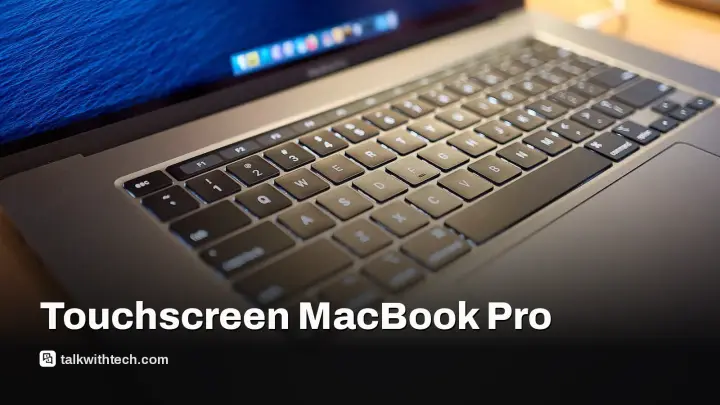
A touchscreen MacBook Pro with a Tandem OLED display and Dynamic Island-style controls could hit stores as early as Nov. 6, powered by M5 Pro/Max chips.
Apple’s latest Pro model packs a brighter display, longer battery life, and a more capable camera, but a fingerprint-prone Burgundy finish and occasional camera hiccups temper the glow.