Sunday, 18 October 2026

Robotaxi regulations spread as cities act and feds stall

With federal inaction, cities are charging ahead with local rules to rein in autonomous taxi services.

Autonomous vehicle in urban street setting

The short version

  • Cities across the U.S. are passing local rules to govern robotaxis as federal legislation stalls in Congress.
  • Regulations vary widely and cover everything from driver presence to emergency protocols and fleet sizes.
  • The push is reshaping where and how autonomous car services operate, with potential cost and safety implications for riders.
Quick read · 1 min

Cities and states are stepping in to regulate robotaxi services as federal legislation stalls. The result is a patchwork of local rules on driver presence, emergency protocols and fleet size that vary by city.

Riders may see different rules and availability depending on where they live, with some places potentially slowing driverless services or improving safety protocols. Expect ongoing debates and more city-by-city rollouts.

What happens next could be more local rules, plus operators refining where they can operate and how quickly they can scale. Look for updates from major cities as they finalize details on oversight and emergency access.

  • Local rules focus on safety and control
  • Federal rules remain stalled
  • Deployment will hinge on city-by-city approvals

The push to regulate self-driving robotaxi services is moving on without a clear federal rulebook. Across the U.S., cities and states are drafting and passing their own rules to shape how autonomous vehicles operate on public streets. The result is a patchwork of laws that can slow growth in some places while tightening oversight in others.

Why it matters to everyday readers: these local rules can affect how easy it is to hail a driverless ride, what safety checks are required, and how quickly a city will let a robotaxi roam certain areas. It also means the price and availability of autonomous rides could vary a lot from one city to the next.

01

Which places are acting and what they’re asking for

Local measures range from requiring human monitors inside vehicles to giving municipal agencies direct control over emergency operations. In Minneapolis, a proposed ordinance could effectively ban driverless operation by mandating a human inside the car. San Diego is pursuing a resolution to block robotaxi service at the airport and to place local agencies in charge of emergency responses. These moves are part of a broader trend where cities flex their street-regulation powers to keep AVs in check.

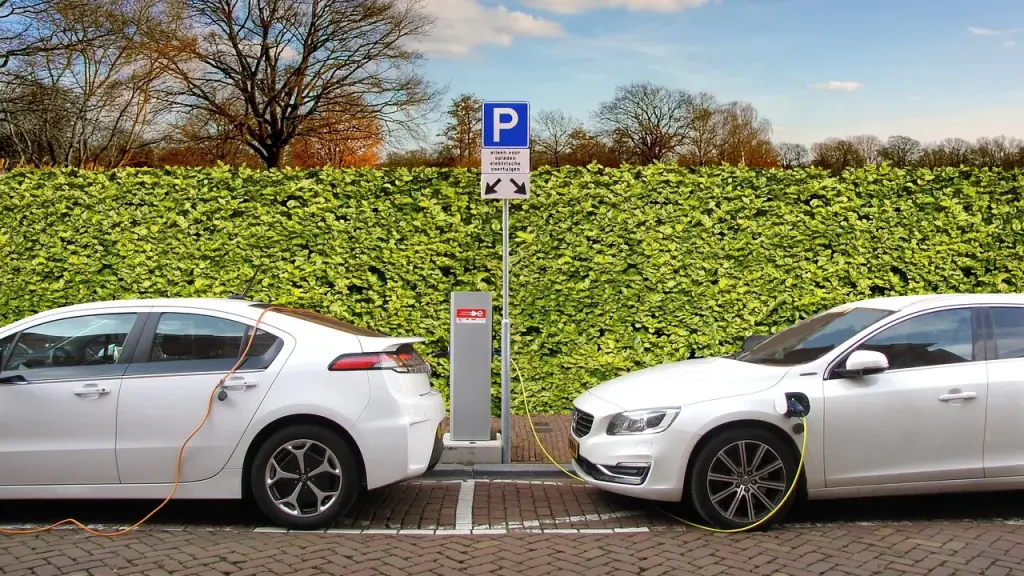
Street scene with autonomous vehicle charging hub nearby
02

Why this is happening now

Federal momentum on nationwide rules for autonomous vehicles has stalled for years in Congress. With no unified nationwide standard, local leaders are trying to set rules that reflect their own safety and traffic concerns. California, traditionally tech-friendly, is also weighing bills that would give cities more say over fleet sizes, operating hours, and emergency access. The result is a growing, messy patchwork of rules that developers must navigate to operate in different neighborhoods and states.

03

The business angle: what operators are weighing

AV companies say preemption, laws that restrict what cities can do, could help create smoother markets. Some groups are pushing for more federal preemption to avoid a thousand local rules slowing expansion. Meanwhile, operators are planning where to launch next based on how friendly a city is to autonomous fleets and how clear the emergency protocols are for responders.

04

What this means for everyday riders

For riders, the main takeaway is consistency and safety. Local rules can improve emergency transparency and rider safety protections, but they can also introduce delays or limit where robotaxis can operate. If you live in a city with aggressive local rules, you might see fewer autonomous rides at peak times or more strict enrollment requirements for a robotaxi service.

05

What happens next

Expect continued local debates and more ordinances as governments test how robotaxis fit into existing road rules. Companies will likely adjust deployment plans by city, prioritizing places with clearer rules and faster urban approvals.

06

Quick answers

What’s changing first?

Local rules are targeting driver presence, emergency access and fleet limits, with wide variation by city.

Will we see a nationwide rule soon?

There’s no imminent federal bill in force; local rules are the main driver for now.

You're reading the quick version.