Egyptian Red Sea corals have shown unusual heat tolerance, sparking hope for reef survival amid warming oceans.
A heat wave in 2023 and 2024 caused bleaching across the Red Sea, with southern reefs hit harder than northern ones.
Researchers are weighing two explanations: water circulation patterns and long-term temperature stress, both contributing to bleaching events.
Recovery in some areas appears promising, but experts warn that sustained carbon emission reductions are essential to protect these reefs.
Quick read · 2 min
Egypt’s Red Sea reefs have surprised scientists with their heat tolerance, but a heat wave in 2023 and 2024 caused bleaching, especially in southern areas. Two main factors are under study: how water currents bring cool water to reefs, and whether the temperatures themselves are simply too high for too long. Early signs show some recovery in the years following the heat events, but experts warn that ongoing warming and calm seas could still threaten these corals. Conservation efforts in Egypt are ramping up, with new protections and international partnerships to manage reefs sustainably. The takeaway for readers: reducing global emissions matters for these corals, and local protection helps, but long-term survival will hinge on climate action beyond coastlines.
What happens next? Researchers will keep tracking bleaching and currents across more sites, and policymakers will weigh how to shield these reefs while the world addresses climate change.
Egypt’s Red Sea coral reefs have long been cited as some of the ocean’s hardier organisms in the face of warming waters. But new surveys show that, even for these “super corals,” the heat is starting to bite. A study led by Mahmoud Hanafy and colleagues tracked bleaching during the intense heat waves of 2023 and 2024 and found that while northern reefs showed fairly limited bleaching, southern areas suffered more extensive loss. The contrast has scientists asking what, exactly, gives these corals their resilience, and whether that protection will hold as temperatures keep rising.
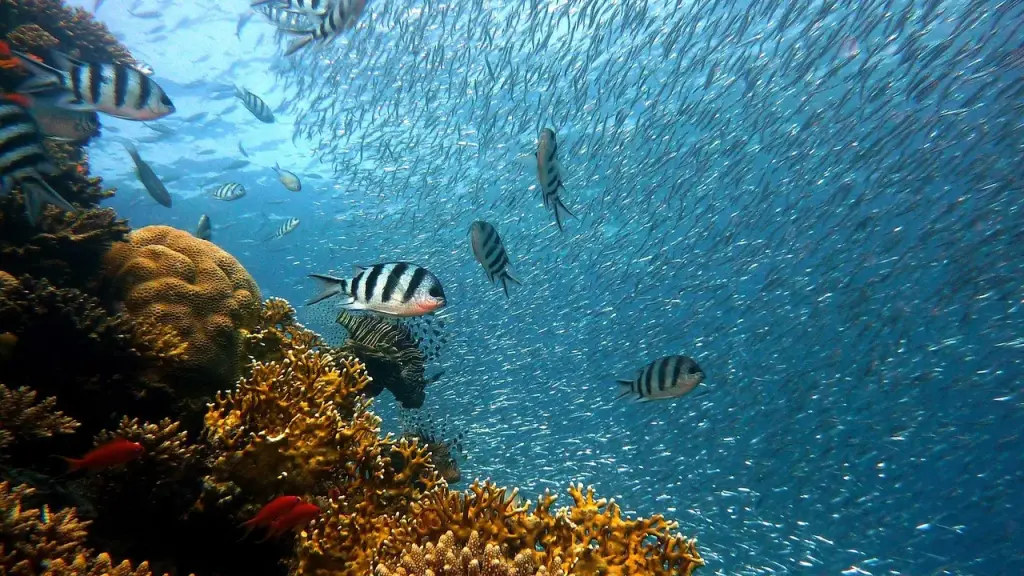
Bleaching occurs when corals eject the algae thriving inside their tissues. Those algae provide most of the corals’ food, so losing them leaves the corals hungry and vulnerable. For Egypt’s corals, the degree of bleaching varied by location, suggesting that the local environment matters as much as the corals’ biology. One key factor researchers are examining is water circulation. The northern Red Sea experiences shifts in current direction that can bring cooler water up from depth, potentially buffering corals from surface heat. When currents slow or calm, that cooling effect weakens, increasing stress on shallow-water reefs.
Another factor is temperature itself. While the heat-tolerance argument has centered on the corals’ evolution and their algae partners, researchers like Eslam Osman say the temperature can still overwhelm even these resilient reefs. “The temperature was the main issue,” Osman says, though he acknowledges that calm seas could have intensified bleaching in 2024. The two explanations aren’t mutually exclusive, and scientists stress that both need more study to gauge how much each contributes to bleaching episodes.
There are hopeful signs. Preliminary recovery estimates from a year after the 2024 bleaching put recovery rates between 75% and 88% depending on species and location. That rebound is stronger than what’s been observed in many other reefs worldwide, where recovery has been slower or uncertain. Still, researchers caution that recovery does not guarantee long-term resilience if warmer waters persist. The Egyptian government has already stepped up conservation by designating new protected areas and partnering with international bodies on sustainable reef management. Hanafy emphasizes that ongoing financial resources are essential because conservation isn’t a one-year act.
What this means for reef lovers and coastal communities is nuanced. If the Red Sea reefs can stay resilient, they may continue to support fisheries, tourism, and shoreline protection that rely on thriving ecosystems. If warming continues unchecked, the very balance that preserves these corals could tilt, with consequences for marine life and local economies alike.
In plain terms, the big questions are about what happens next: will continued warming overwhelm even the Red Sea’s best-defended reefs, or can management and global emissions cuts buy time? The researchers say we’ll know more as they monitor circulation patterns and bleaching across more sites in coming seasons.
What researchers want next is stable funding for long-term monitoring and habitat protection, along with broader climate action to curb emissions. As Hanafy puts it, conserving these corals isn’t a one-year act, it’s about maintaining the conditions that have kept them afloat so far while the planet heats up.