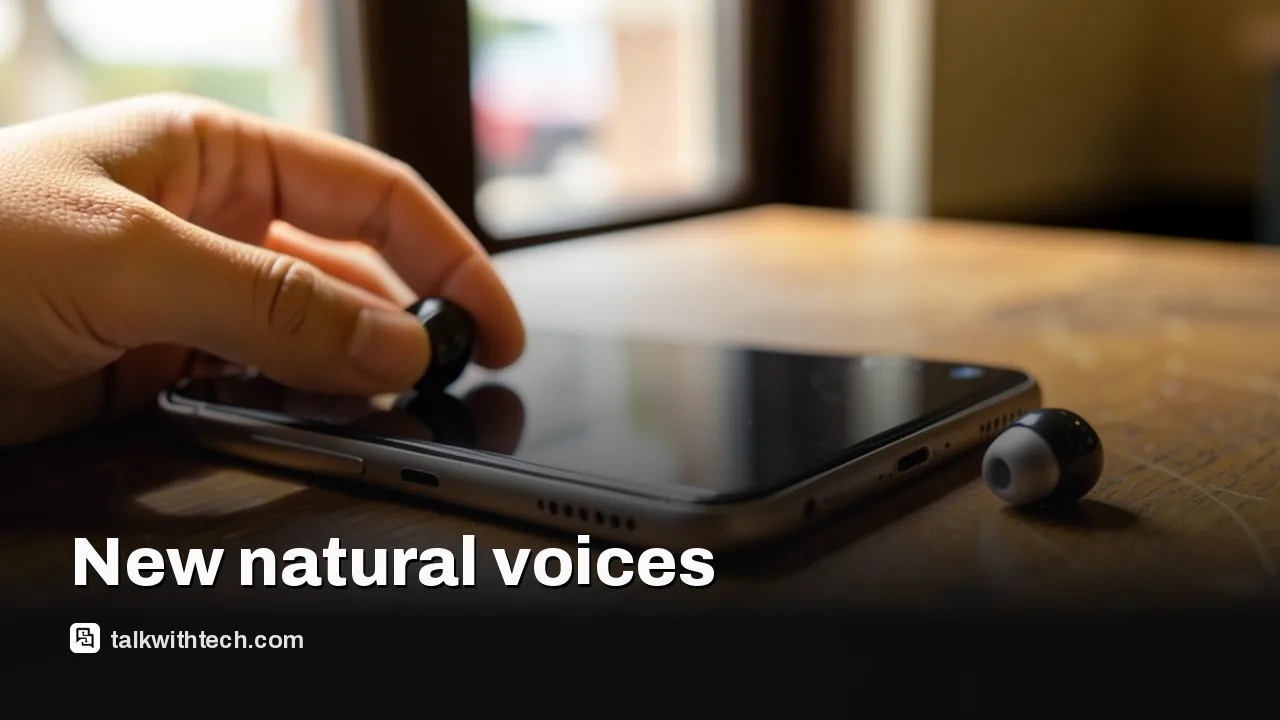
OpenAI released GPT-Live-1.1 with new voices and improved accents for ChatGPT, Codex, and dots.
New language voices include French, German, Hindi, Mexican Spanish, Korean, and Japanese.
The update rolls out today to all users, with API availability coming soon.
Quick read · 1 min
OpenAI released GPT-Live-1.1, adding new voices and better accents to ChatGPT, Codex, and dots. The rollout starts today for all users, with API access coming soon.
What it means for you: more natural-sounding speech in conversations and hands-free usage. Developers: expect the API to arrive soon so you can build with the new voices.
New voices in six languages
Rollout to all users today
API access coming later
OpenAI is rolling out an update to its voice features. GPT-Live-1.1 brings a broader set of voices with better accents for ChatGPT, Codex, and dots, according to the company’s official video and description. The update goes live today for all users, and the API version is promised to come soon.
In practical terms, that means you should hear more natural-sounding voices across languages and regions, with fewer odd pronunciations in everyday prompts, whether you’re using conversational chat or code-related assistance. The new voices cover French, German, Hindi, Mexican Spanish, Korean, and Japanese, expanding beyond the prior set.
01
Which products get the update first
The video and description say the improvements apply to Voice in ChatGPT, Codex, and dots. In plain terms, users should notice the new voices in chat conversations, coding help, and any features that rely on synthetic speech from OpenAI’s voice tools.
02
The catch nobody mentions
OpenAI notes the rollout is gradual and tied to regional availability. While the update is live today for all users, the API access will come later. That means developers waiting for server-to-server access may have to wait a bit longer before they can build with the new voices at scale.
03
What this costs you
OpenAI’s release notes do not indicate extra charges attached to GPT-Live-1.1 beyond existing usage plans. For everyday users, that generally means you won’t pay more to hear these new voices on standard plans, but usage limits and enterprise arrangements could differ for API use.
04
What this means for you and your day-to-day use
Better, clearer voices can make talking to AI feel more natural, especially if you rely on voice for accessibility or multitasking. If you use ChatGPT on the go or in hands-free modes, you’ll notice fewer mispronunciations and more natural pacing. For developers, the upcoming API rollout means more options when building voice-enabled apps or tools that rely on OpenAI speech models.
If you’re a user, try the new voices in your next ChatGPT session and see if the pronunciation and intonation feel more natural. Developers should watch for the API beta or gradual availability notes from OpenAI in the coming weeks, then prepare to integrate the new voices into their apps.
06
Quick answers
Will I notice a price change with GPT-Live-1.1?
OpenAI has not announced new pricing specifically for the GPT-Live-1.1 voices. It follows existing usage plans for ChatGPT and API access.
When will the API be available?
The API access for the new voices is coming soon, but OpenAI has not shared a precise date yet.
Which languages are supported?
The new voices cover French, German, Hindi, Mexican Spanish, Korean, and Japanese.
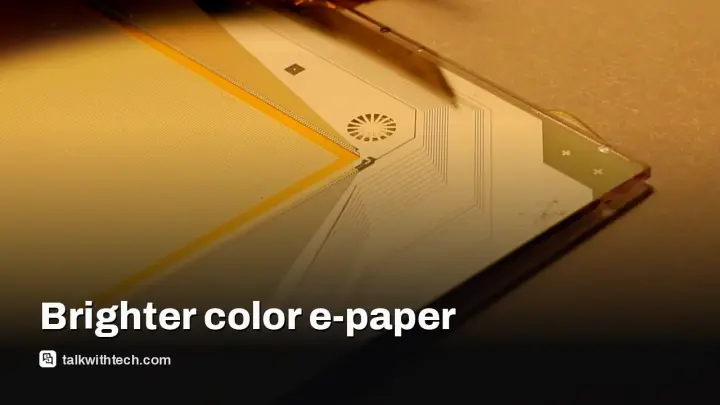
The next-gen Kaleido 4 color screen promises brighter whites, better contrast and faster refresh for color e-readers and note-takers, starting in China.
4 min read
We use cookies to understand how readers use Talk With Tech, so we can make it better. Is that OK? Privacy policy
The Daily Brief
Today's biggest tech stories, in 5 minutes
Every morning, the news that matters from AI, phones, apps and the people shaping tech. Explained in plain English. Free.
One email a day. No spam, unsubscribe anytime. Privacy policy