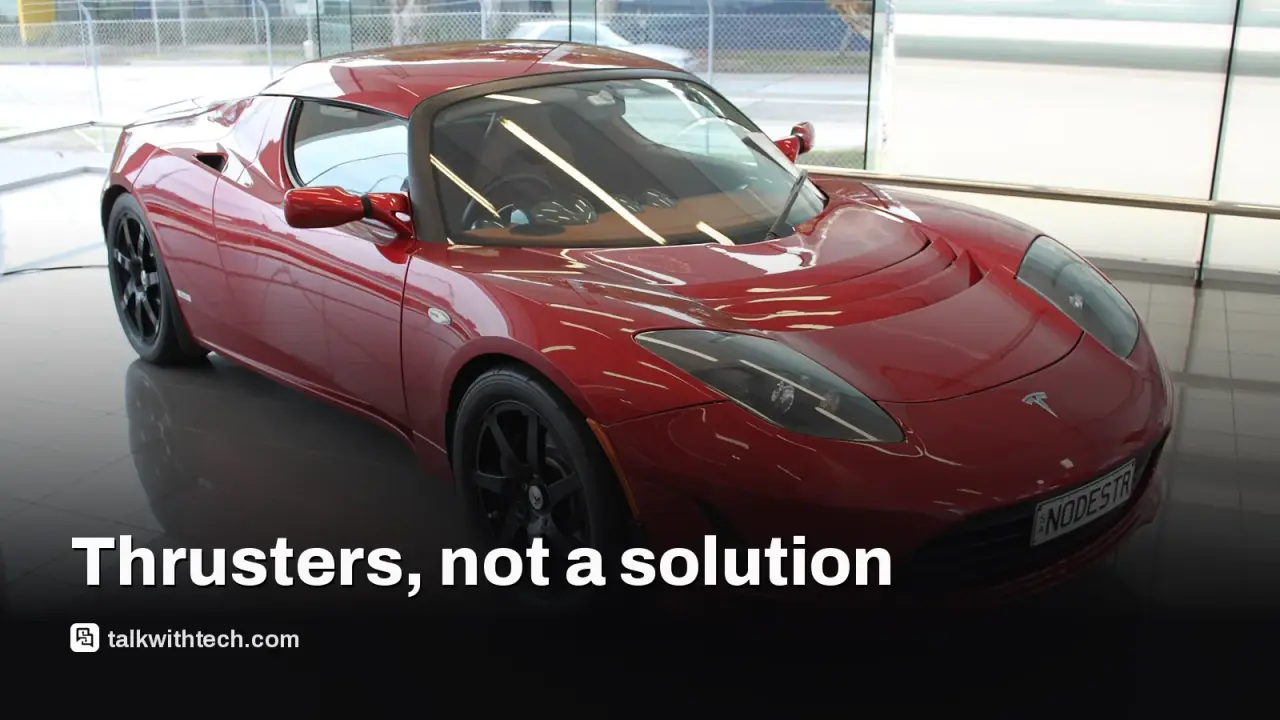
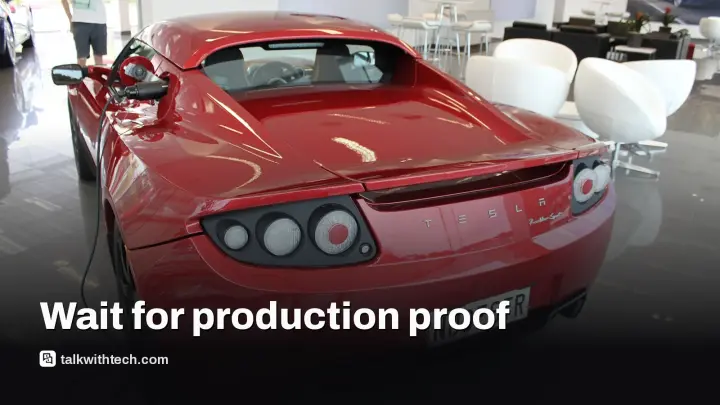
Tesla unveiled a new Roadster with cold-gas thrusters and additional downforce tech, capable of brief airborne moments.
Analysts say the car is more of a halo project and a showcase than a practical EV for daily use.
Questions remain about legality, practicality, and how this would translate to mass-market EV tech.
What this means for consumers is mostly a reminder that automakers are still racing to push limits, not just improve range or charging.
Quick read · 1 min
Tesla unveiled a Roadster with cold-gas thrusters that can lift off briefly, plus SpaceX-inspired tech for downforce and maneuvering. It’s presented as an engineering showcase rather than a practical new feature for everyday drivers.
What this means for you is mostly a reminder that carmakers are still pushing the envelope. For now, this Roadster is not a mass-market vehicle and its most extreme version is invitation-only.
Look for more details on safety, regulatory hurdles, and whether any of the tech could trickle into future Tesla models.
Engineering showcase, not a product promise
Regulatory and safety questions loom
Possible tech spillovers to future EVs
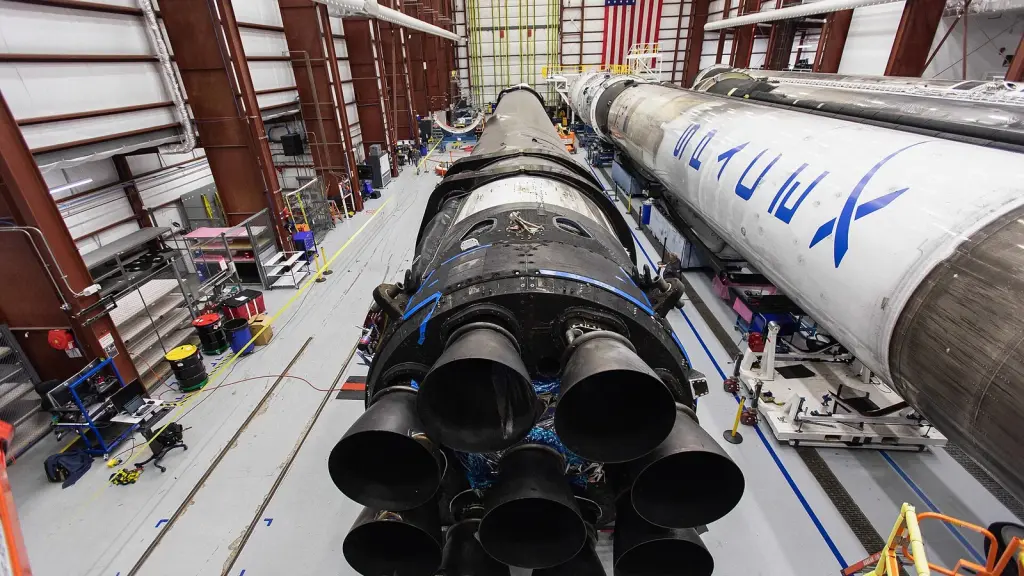
Tesla surprised observers with a spectacle that looked more like a sci-fi demo than a normal car reveal: a new Roadster that can allegedly lift off briefly using cold-gas thrusters, with other SpaceX-derived tech helping keep it on the ground when needed. The demonstration happened at SpaceX’s Rocket Test and Development Center in McGregor, Texas, and the idea is to push the boundaries of what an electric vehicle can do, not to deliver a practical daily driver right away.
In plain terms, this Roadster is meant to be a showpiece. It can accelerate incredibly fast and carries around 1,350 horsepower in its top variant, but the real headline is its ability to seem to fly for short stints. The car uses jets of compressed gas to lift off and separate thrusters around the body to perform snapping, flip-like movements, then land back on the stage using more thrust. This combination, paired with downforce tech inspired by high-performance race aims, is what Tesla calls an engineering flex. It’s meant to demonstrate what the company can do when it pushes the envelope, not to redefine everyday driving.
That distinction matters because the broader EV market is focused on real-world gains, longer range, faster charging, lower costs, and safer, more reliable software. The Roadster’s airborne theatrics don’t answer those questions. For now, most variants would be restricted to private tracks or specific events, and the most extreme “Rocket” version is by invitation only. In other words, this isn’t a ghost of a future where flying cars become common; it’s a stage for showcasing what’s possible if you’re willing to mix automotive and aerospace playbooks.
The showmanship fits a pattern: Tesla has a track record of bold, sometimes polarizing demonstrations. The company built its brand on pushing hard into new tech and then hoping the market follows. With the Roadster, the focus appears to be a halo project, something that keeps the brand in headlines and signals ambitious engineering as a differentiator, as opposed to signaling immediate changes in the mainstream lineup.
Industry observers have mixed takes. Some see the stunt as a pure engineering showcase with limited commercial value beyond marketing hype. Others say it underscores a larger push across the auto industry to blend EV tech with aerospace-grade systems. Either way, the consensus is that the Roadster isn’t replacing Tesla’s core models or changing the charging game today. It’s a high-profile display that raises questions about feasibility, safety, and regulation for any vehicle that could briefly leave the ground.
03
What it means for everyday drivers
For most people, this is a reminder that carmakers are still exploring the edge of what’s technically possible. It doesn’t imply a near-term jump in practical EV features like faster charging or cheaper batteries. It does hint at a broader trend: automakers will continue pairing high-performance tech with bold demonstrations to attract attention while they work through the realities of safety, air traffic rules, and road-use limitations.
04
What happens next
Tesla hasn’t said when or whether any form of a road-legal flying Roadster would be possible, or what the final package would include. Expect ongoing questions about safety approvals, regulatory hurdles, and how such tech could be adapted to more common EV platforms in the future. For readers, the immediate takeaway is simple: keep an eye on what Tesla proves next, and don’t assume a dramatic feature today equals a practical feature tomorrow.
Not anytime soon. The most extreme version is invite-only and clearly not meant for general use in its current form.
Does this affect everyday EVs I own?
No immediate impact. It’s a showcase that highlights engineering ambition rather than practical improvements for mass-market cars.
What should I watch for next?
Regulatory updates, real-world testing, and any announcements about broader applications of the tech in standard Roadster variants or other Tesla models.
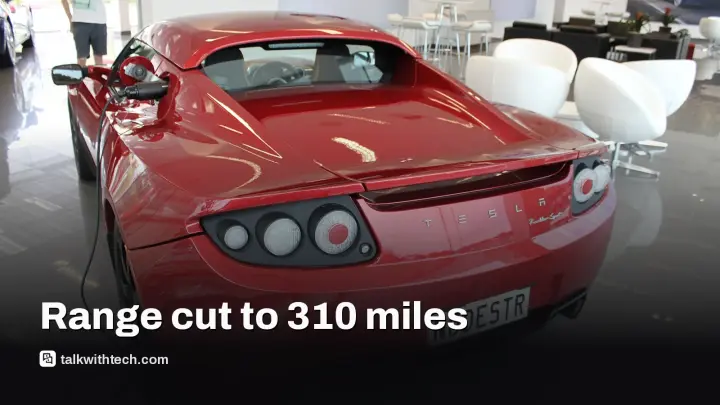
Tesla says the redesigned Roadster could enter production in 2028, but a history of delays means buyers should stay cautious and watch for concrete milestones.
A new documentary centers on Elizabeth Holmes, but viewers are left curious about her husband, Billy Evans, and how their life together intersects with Theranos’ rise and fall.
4 min read
We use cookies to understand how readers use Talk With Tech, so we can make it better. Is that OK? Privacy policy
The Daily Brief
Today's biggest tech stories, in 5 minutes
Every morning, the news that matters from AI, phones, apps and the people shaping tech. Explained in plain English. Free.
One email a day. No spam, unsubscribe anytime. Privacy policy