Meta AI training terms put publishers’ licensing at risk
New Meta business terms may let the company crawl publisher sites linked to business accounts and use their material to train AI, sparking questions for publishers and readers.
Meta is rolling out updated business terms that could allow it to crawl and scrape websites tied to businesses using its platforms.
The terms say content from those sites could be used to develop, improve, research, and train Meta’s AI products.
Publishers and businesses could lose licensing rights or face broader data use without direct consent.
The shifts could affect how news is accessed, monetized, and protected online, especially for publishers already negotiating AI licenses.
Quick read · 1 min
Meta’s updated business terms could let the company crawl and reuse content from sites tied to business accounts to train its AI. The change could affect licensing, pricing, and how material is surfaced in Meta apps. Publishers may push back if licensing isn’t clear, and readers could see shifts in news access or summaries in the future. Meta plans to roll out the terms on October 30, but practical details are still unfolding.
What this means for you: more content powering AI tools, and more questions about consent and monetization for publishers. For now, stay alert to licensing notices from publishers you follow and watch how Meta explains its AI training goals in updates to its terms.
What changes for publishers
How AI training uses public content
What to watch for in app changes
Meta is reshaping how content on the web could be used inside its apps. Starting Oct. 30, Meta’s revised business terms may authorize the company to crawl, index, and reuse material from publishers and other sites that are linked to a business account. In practical terms, that means Meta could pull content from these sites to help develop, improve, or train its AI tools and conduct related research. This isn’t a small tweak in a terms box; it changes who controls the use of published material once it’s connected to Meta’s services like Facebook, Instagram, WhatsApp, and Messenger.
Why this matters to everyday readers is simple: it could change how publishers license their work, what content can legally be used to train AI, and how much say publishers have before their material is used in machine-learning models. If licensing becomes looser or more automatic, readers might see shifts in what content is surfaced or how it’s priced. If publishers push back or lock down access, it could slow down AI-building efforts that rely on a lot of online text and images.
01
Which sites and accounts are affected?
The terms apply to websites that are described as associated with a business account using Meta’s platforms. That coverage includes material a business promotes across Facebook, Instagram, WhatsApp, and Messenger. The exact scope isn’t fully spelled out yet, so publishers could find themselves in a broader net than a traditional licensing deal would imply. In short, content from many sites could be included if they’re tied to a business account that uses Meta’s services.
02
What does “train AI” mean in this context?
Training AI means feeding patterns, phrasing, and data from the crawled content into Meta’s machine-learning models. The policy describes using the content to develop, improve, research, and train Meta’s AI products, which goes beyond simple indexing or search. The intent is to broaden Meta’s ability to understand and generate text or analyze material based on what it has collected from these sites.
03
Why publishers should care
Publishers typically rely on licensing deals to monetize their work when others use it. If Meta’s terms permit broader AI training without a separate license, some publishers could lose leverage to charge for reuse or for access to their content in AI systems. That could affect newsroom revenue models and how publishers balance partnerships with social platforms. It also raises questions about consent and history: should publishers opt in or opt out, and what about content published before Oct. 30?
04
What happens next and what readers can do
For readers, the immediate effects are indirect. You might see changes in how news is surfaced or summarized in Meta’s apps, and licensing shifts could influence prices or availability of certain pieces. For publishers and brands, it’s a signal to review licensing terms, governance for AI training data, and potential opt-out options if offered.
Regulators are watching how platforms use third-party content as AI tools grow more capable. The practical path forward is still being written as Meta explains how the terms will be implemented in practice. If you’re a publisher or a business that relies on Meta’s products, consider auditing your agreements and preparing questions for clarity on consent and data use.
Will this change how I access news in Meta apps right away?
No immediate changes to your feeds are promised, but it could influence future features and licensing arrangements used by Meta’s services.
Can publishers opt out of AI training?
The current wording isn’t crystal clear on opt-outs; the scope covers sites associated with a business account, but specifics for opting out aren’t laid out yet.
When will more details be available?
October 30 marks the start of the rollout, with more detail likely as Meta outlines how it will apply the terms in practice.
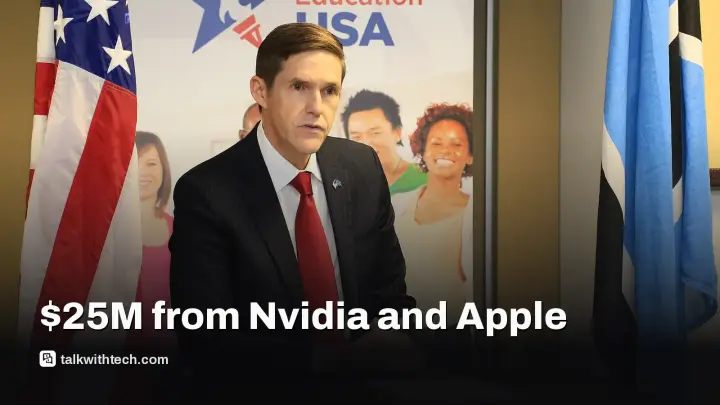
A confidential donor spreadsheet shows Nvidia and Apple each contributed $25 million to a White House fundraising ballroom, part of a larger $333 million haul.
3 min read
We use cookies to understand how readers use Talk With Tech, so we can make it better. Is that OK? Privacy policy
The Daily Brief
Today's biggest tech stories, in 5 minutes
Every morning, the news that matters from AI, phones, apps and the people shaping tech. Explained in plain English. Free.
One email a day. No spam, unsubscribe anytime. Privacy policy