Science & Space
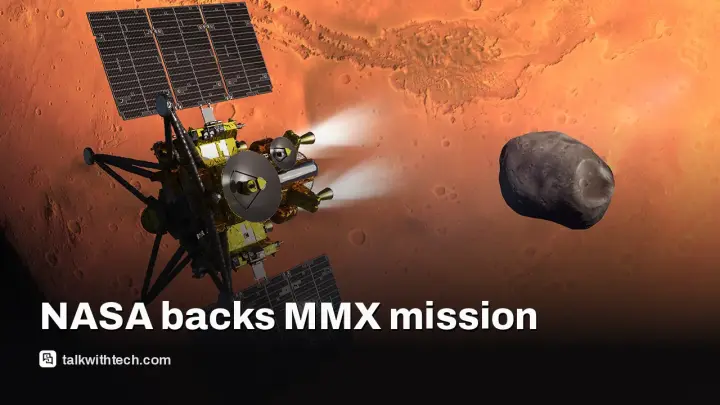
MMX Mars moons mission gets NASA instruments and sample help
Japan's MMX probe is now flying toward Phobos, carrying a NASA gas-blast sampler and a NASA spectrograph, with a capsule due back in Australia in July 2031.
Space missions, new research and inventions.
Japan's MMX probe is now flying toward Phobos, carrying a NASA gas-blast sampler and a NASA spectrograph, with a capsule due back in Australia in July 2031.
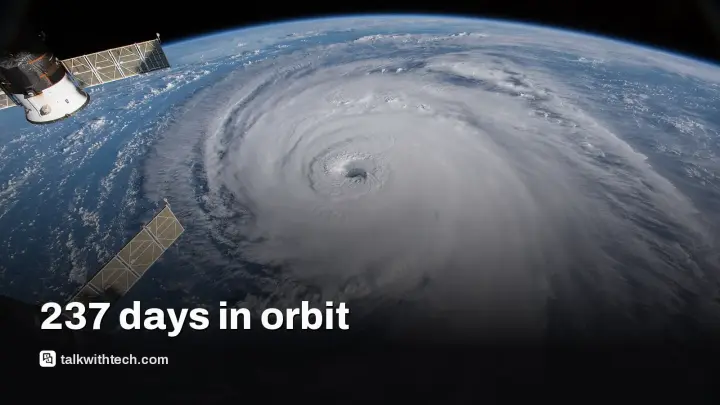
Three of the four Crew-12 flyers faced reporters in Houston a week after splashdown. Here is the science they ran, from space-made IV fluid to stem cells.
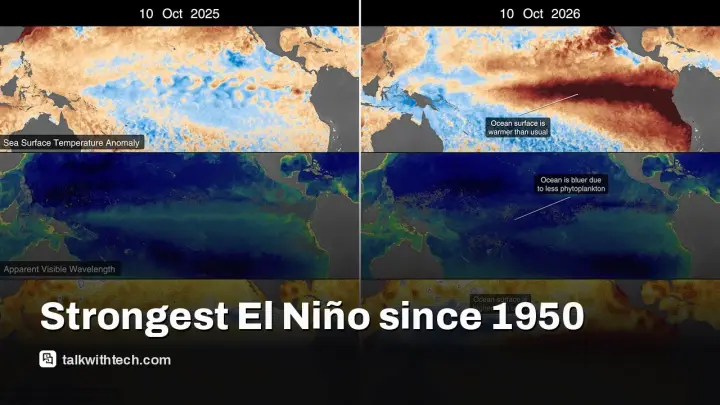
NASA satellites watched the 2026 El Niño build from a single warm pulse in January. By November it was close to a record and already changing US weather.
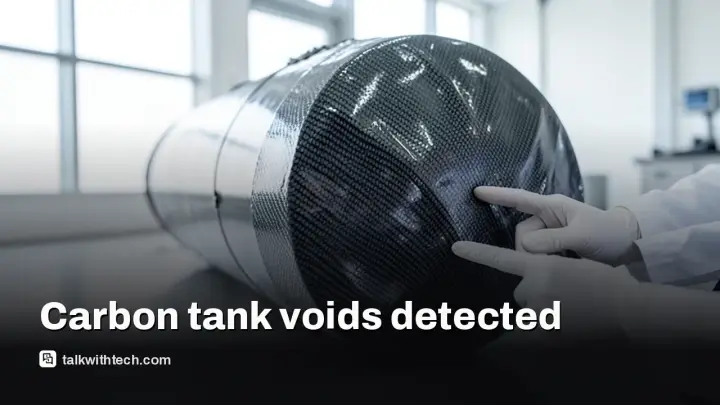
Tiny air pockets in a carbon fiber tank dome pushed Rocket Lab’s Neutron to 2027, even as customers book flights and the Pentagon offers a loan.
University of Minnesota scientists turned pig kidneys to a glass-like state at -150 °C, then rewarmed them so they made urine again. One had been stored over a year.
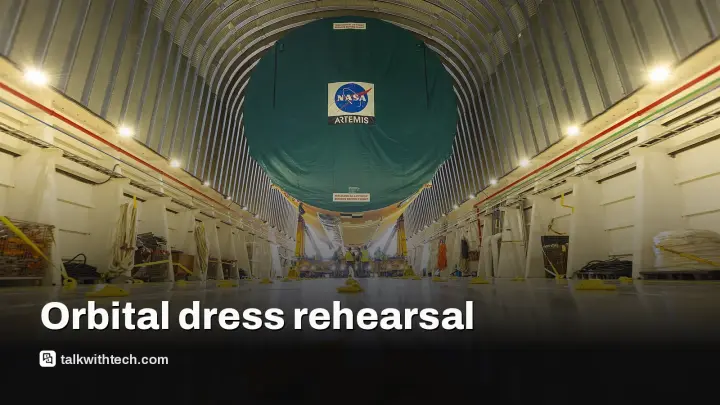
Artemis III now flies in summer 2027 as an Earth-orbit docking test with two prototype landers, and the Moon landing moves to Artemis IV in 2028.
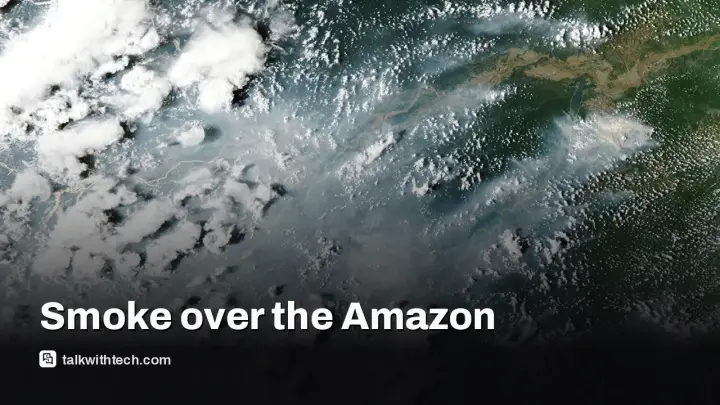
Satellites caught a surge of fires around Manaus and Santarém in fall 2026, and NASA scientists expect the El Niño fire season to roll on into 2027.
Lehigh University's concrete-and-thermosiphon battery soaks up server heat, holds it at up to 500°C and gives it back later for cooling, power or industry.
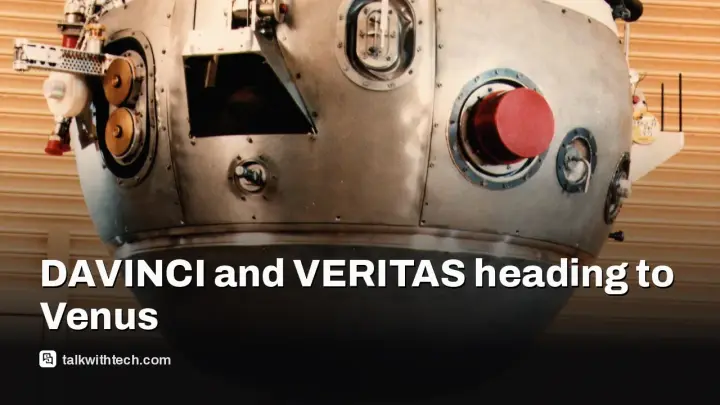
DAVINCI now aims for December 2030, VERITAS has a November 2032 date, Europe's Envision follows in 2032, and Rocket Lab's private probe could go first.
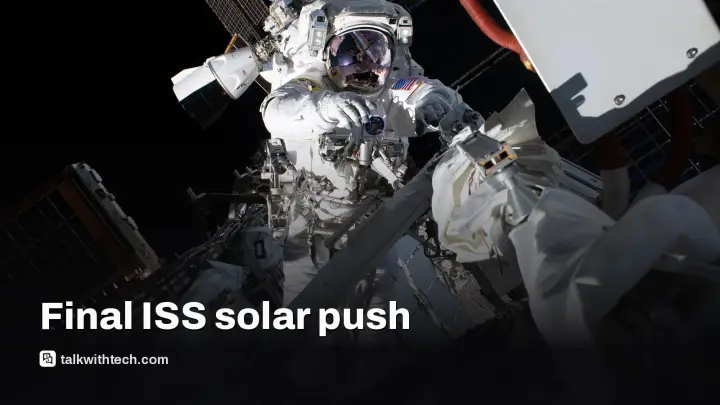
Anil Menon and Canada's Joshua Kutryk installed the last two roll-out solar arrays on the ISS in late October and early November, finishing a power upgrade that began in 2021.
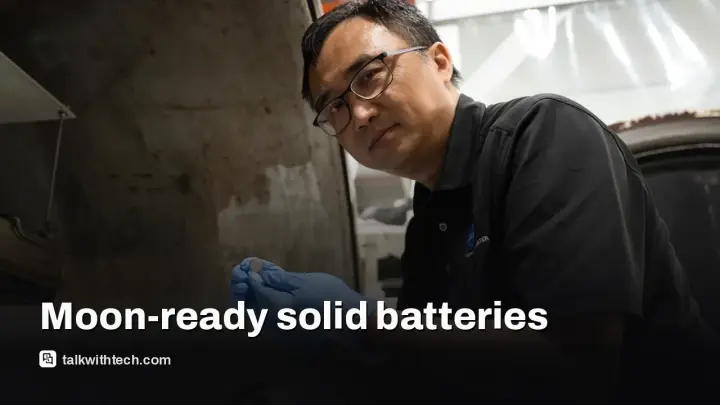
NASA's SPEARS prototypes swap the liquid inside a battery for a solid, so they can ride out lunar nights near minus 200 C and wake up again.
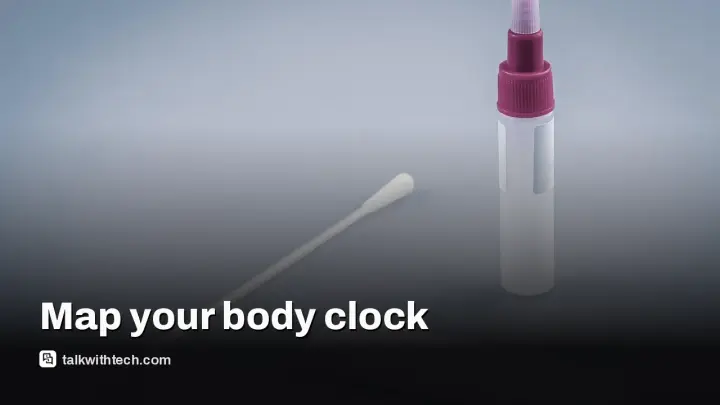
German startup TimeTeller reads your body clock from saliva. A German insurer already pays for it for some cancer patients, but the home kit has limits.
The Daily Brief
Every morning, the news that matters from AI, phones, apps and the people shaping tech. Explained in plain English. Free.
One email a day. No spam, unsubscribe anytime. Privacy policy